From Village to University
Marie's journey from a rural village to becoming the first in her family to attend university, supported by our scholarship program.
Read Full Story Community Programs
Creating Lasting Change Through Strategic Partnerships
Virunga Ecotours specializes in tourism that benefits local communities, preserves culture, and restores natural ecosystems. Our community-based tourism (CBT) and regenerative travel programs create meaningful experiences for travelers while delivering tangible benefits to host communities and the environment.
Community-based tourism is led, managed, and owned by local communities, ensuring economic, social, and cultural benefits remain local while preserving heritage and nature. We implement CBT through partnerships with homestays, Red Rocks Initiatives, indigenous guides, and artisan cooperatives.
CBT provides employment opportunities, revenue generation, local procurement of goods and services, and limits funds that leave the community. It diversifies economic activities beyond farming, reducing risk in years when climate change produces low or no yield.
Within CBT, there is distribution of benefits to all households. Though not all families host homestays, some act as guides or provide meals. Even those not directly involved benefit from the agreed use of the community fund.
CBT provides skills-training, opportunities for community infrastructure development (power, roads, sanitation, water), health benefits, and promotes more equitable community structure. Association with foreign travelers raises confidence and pride.
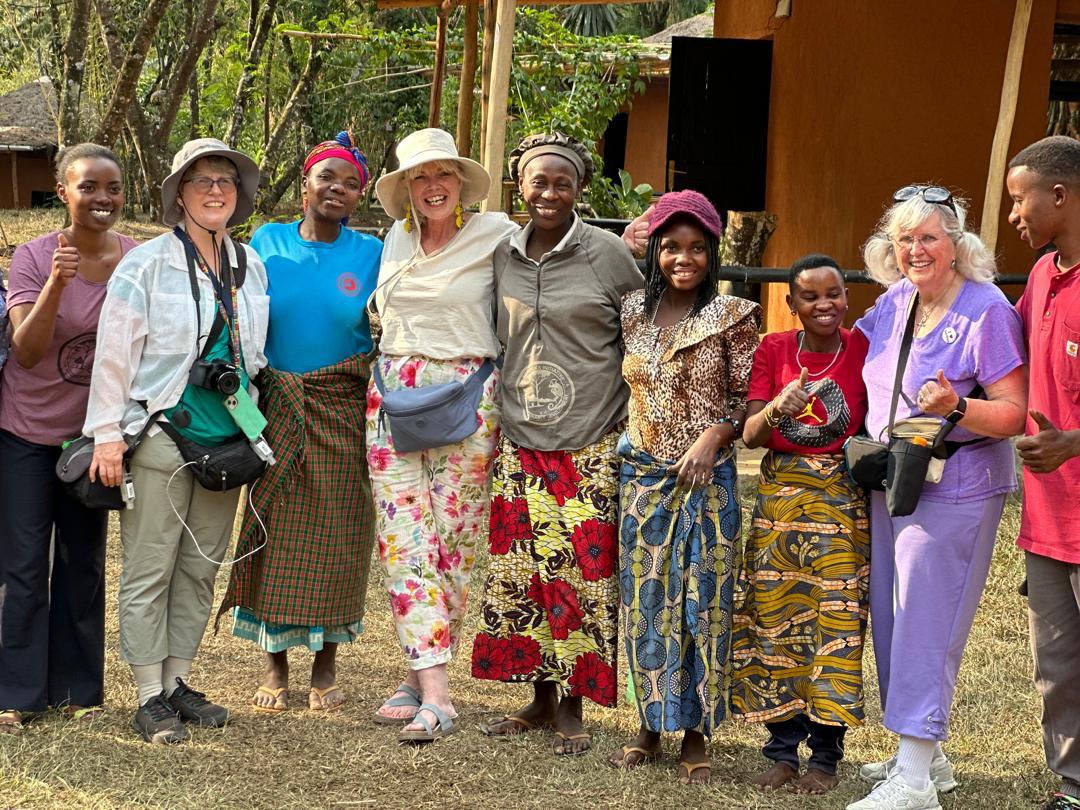
One of the greatest outcomes is the empowerment of women in the community, as they are often largely responsible for the management and generation of the experience and therefore income.
While sustainable tourism minimizes harm, regenerative tourism actively restores ecosystems, strengthens cultural integrity, and improves livelihoods. We measure impact through social assessments, employment metrics, visitor feedback, and ecological monitoring.
Tourism revenue funds conservation initiatives, provides alternatives to poaching or deforestation, and increases environmental awareness. Projects include reforestation, eco-agriculture, and habitat restoration with measurable ecological benefits.
Youth are trained as guides, performers, and hospitality staff, ensuring skill transfer, employment, and cultural continuity. This prevents young people from leaving for larger cities by providing meaningful local employment opportunities.
Conservation of the environment, awareness and wildlife protection are great benefits of CBT. Tourism supports biodiversity through funding conservation initiatives and creating alternatives to environmentally harmful activities.
CBT prevents cultural erosion by providing employment opportunities locally, allowing communities to share traditions, crafts, and culinary practices on their terms, reinforcing cultural identity and heritage preservation.
CBT affects local education quality by funding school infrastructure, teacher training, and scholarships, improving access and learning outcomes. Training programs cover hospitality, language, environmental stewardship, financial management, and guest relations.

CBT improves public health as tourism revenue funds clean water, clinics, and nutrition initiatives while supporting health education. Health benefits include water and waste management education, improving community well-being.

Tourism influences local wildlife conservation by providing alternative livelihoods and funding for protection initiatives, incentivizing habitat preservation. Regenerative tourism supports ecological restoration through measurable projects.

CBT supports local entrepreneurship by integrating artisans, farmers, and service providers into tourism supply chains, ensuring sustainable income. We source crafts directly, provide training, and integrate sales into visitor experiences.

We create meaningful travel experiences that benefit both visitors and communities through authentic cultural exchange and hands-on participation in local life.
Visitors participate in farm-to-table activities, learn traditional recipes, and support local agriculture. This integration of local food experiences connects travelers directly with community livelihoods.
Visitors live with families, participate in daily life, learn traditional skills, and support equitable income distribution. Homestays differ from traditional lodging by offering authentic cultural immersion.
Visitors participate in measurable conservation actions including tree planting, wildlife monitoring, habitat restoration, and eco-agriculture projects, creating direct positive environmental impact.
Cultural exchange is structured through storytelling, music, dance, and cooking experiences led by community members, fostering mutual learning and preserving oral traditions.
Through immersive, respectful experiences, visitors develop environmental awareness and cultural appreciation that persist long-term. Regenerative tourism influences visitor behavior beyond the trip, fostering environmental responsibility, cultural empathy, and conscious consumption in daily life.
Real stories from the communities we serve, showcasing the transformative power of strategic philanthropy and community partnership.

Marie's journey from a rural village to becoming the first in her family to attend university, supported by our scholarship program.
Read Full Story
How a community-led water project reduced waterborne diseases by 80% and transformed daily life for 500 families.
Read Full Story
Former poachers become conservation champions through our community-based conservation program.
Read Full StoryJoin us in creating lasting positive change. We offer various ways for individuals, organizations, and businesses to partner with us in our philanthropic mission.
Make a direct impact through one-time donations or monthly giving programs. Every contribution, no matter the size, makes a difference.
Learn MoreAlign your business with meaningful social impact through corporate social responsibility partnerships and employee engagement programs.
Learn MoreCollaborate on research, student exchange programs, and educational initiatives that benefit both academic institutions and local communities.
Learn MoreWork together with other non-profit organizations to maximize impact and avoid duplication of efforts in community development.
Learn MoreWe measure social impact through surveys, participatory assessments, employment data, and community feedback. Ecological regeneration metrics include tree growth, biodiversity indicators, and reduced environmental degradation tracked alongside social indicators.
Surveys, participatory assessments, employment data, and community feedback to measure social outcomes
Tree growth, biodiversity indicators, and reduced environmental degradation tracked alongside social indicators
Surveys, interviews, and community discussions inform experience improvement and decision-making
Annual reports, third-party audits, community consultations, and clear communication of outcomes
Ready to make a difference? There are many ways to support our philanthropic mission and create lasting positive change in the communities we serve.
Contact our philanthropy team to discuss partnership opportunities, volunteer programs, or learn more about our community impact initiatives.
info@virungaecotours.com
+250 784 513 435
Musanze, Rwanda