
EXPERIENCES
Rwanda
Uganda
DRCongo
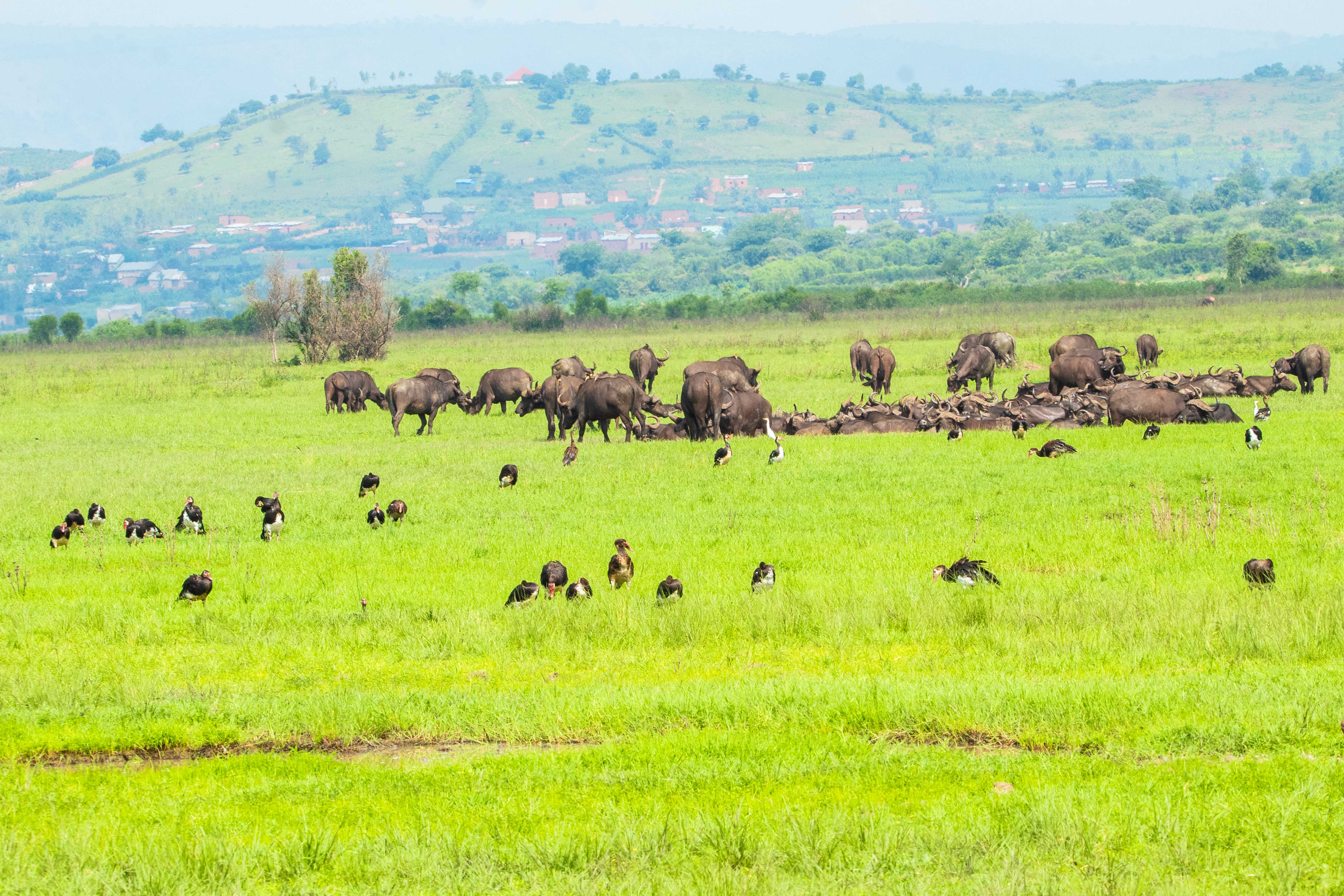
Promoting ethical wildlife interactions through community-based tourism in the Virunga Massif
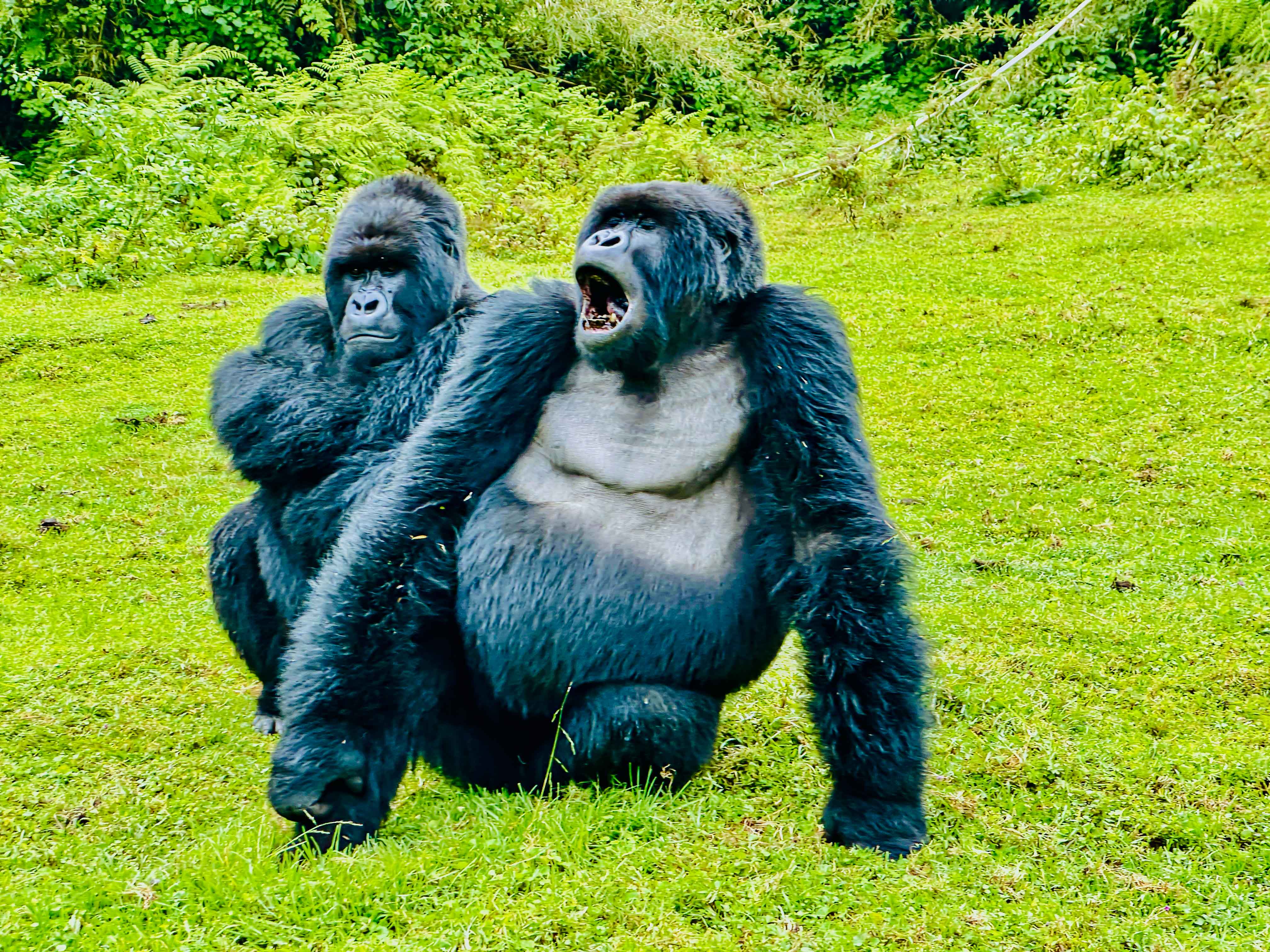
Learn MoreThe Virunga Massif is one of the most ecologically significant regions in the world, home to endangered mountain gorillas, golden monkeys, and diverse wildlife. Tourism in this region brings economic opportunities, yet it also carries a responsibility: to ensure the welfare of animals and the integrity of their habitats.
Virunga Ecotours integrates Responsible Animal Welfare Care Awareness into its community-based tourism (CBT) activities, promoting ethical interactions, minimizing human-wildlife conflict, and fostering respect for wildlife within and beyond park boundaries.
Animal welfare is at the heart of sustainable tourism. In the Virunga Massif, where primates and other wildlife share space with local communities, responsible welfare practices safeguard both conservation goals and community livelihoods.
Without careful management, tourism can unintentionally stress animals, alter their natural behavior, or contribute to habitat degradation. Responsible awareness ensures animals thrive, communities benefit, and visitors leave with meaningful experiences grounded in respect.
Communities are not just neighbors of the park—they are custodians of its wildlife
Local guides and homestay hosts share knowledge about respectful behavior around wildlife.
Income from tourism motivates households to protect animals rather than exploit them.
Communities communicate the cultural significance of animals, linking conservation with heritage.
Communities learn alternative livelihoods to reduce dependence on activities that harm animal welfare.
Understanding the comprehensive effects of animal welfare programs
Comprehensive approach to responsible animal welfare care
Workshops on animal welfare, guiding ethics, and safe visitor practices.
Expected Outcome: Improved community knowledge and ethical tourism services.
Pre-trek briefings and codes of conduct (distance, silence, no feeding).
Expected Outcome: Reduced wildlife stress, better visitor behavior.
Homestays, guiding, and craft markets linked to conservation benefits.
Expected Outcome: Direct financial incentives to protect wildlife.
School programs, storytelling, and art projects about wildlife welfare.
Expected Outcome: A new generation of conservation-minded citizens.
Community scouts assisting rangers in observing animal health and welfare.
Expected Outcome: Early detection of threats and improved park-community trust.
Outside the park boundaries, animal welfare awareness fosters human-wildlife coexistence. Villagers learn to safeguard crops without harming wildlife, cultural respect for animals is reinforced, and eco-friendly enterprises such as homestays thrive.
It builds pride in regional identity and positions the Virunga Massif as a global leader in ethical tourism.
Communities develop wildlife-friendly farming practices
Traditional values for wildlife protection are strengthened
Homestays and local businesses flourish sustainably
Virunga Massif becomes a model for ethical tourism
The Responsible Animal Welfare Care Awareness program under Virunga Ecotours is more than an initiative—it is a commitment to ensuring that every interaction between people, wildlife, and landscapes is respectful, ethical, and sustainable.
By actively engaging communities in the Virunga Massif, this program safeguards animal welfare, enhances tourism experiences, and secures livelihoods. While challenges remain—such as balancing visitor expectations and community needs—the positive impacts far outweigh the negatives.
This program is vital because it guarantees that animal welfare in the Virunga Massif is not just a principle but a lived reality, sustained through community pride, visitor respect, and collective responsibility.
Experience responsible wildlife tourism that makes a positive impact on animals, communities, and conservation.
 TripAdvisor