

 TripAdvisor
Safaris are part of how Africa’s wild places continue to exist and thrive
Across Africa’s vast
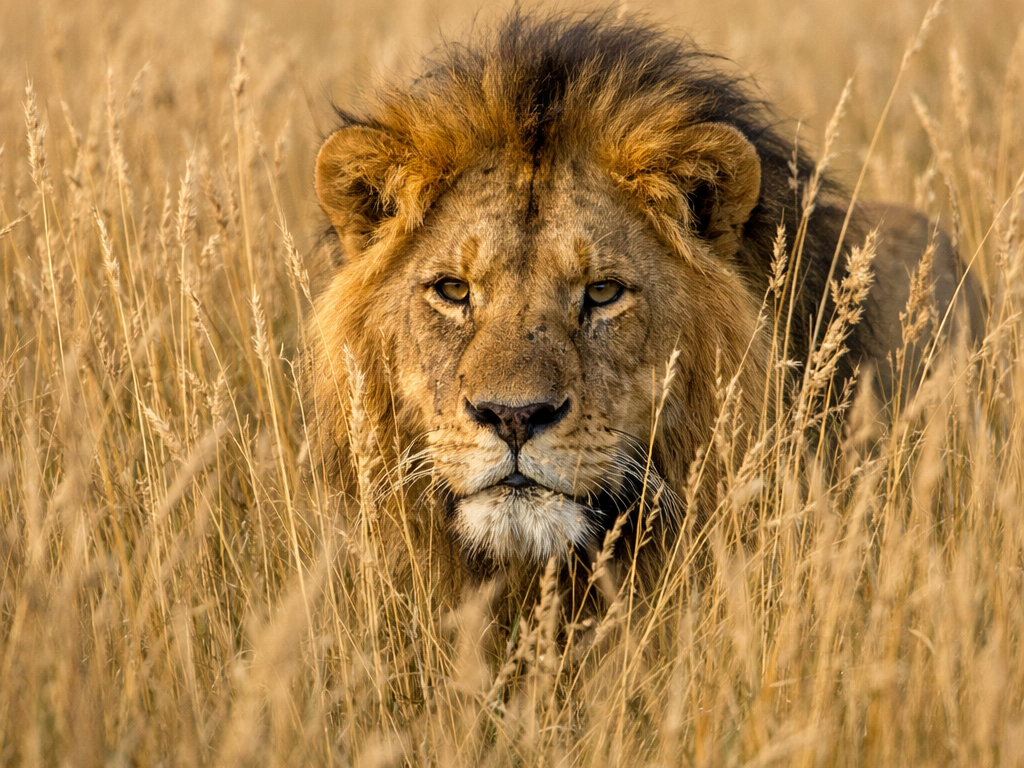
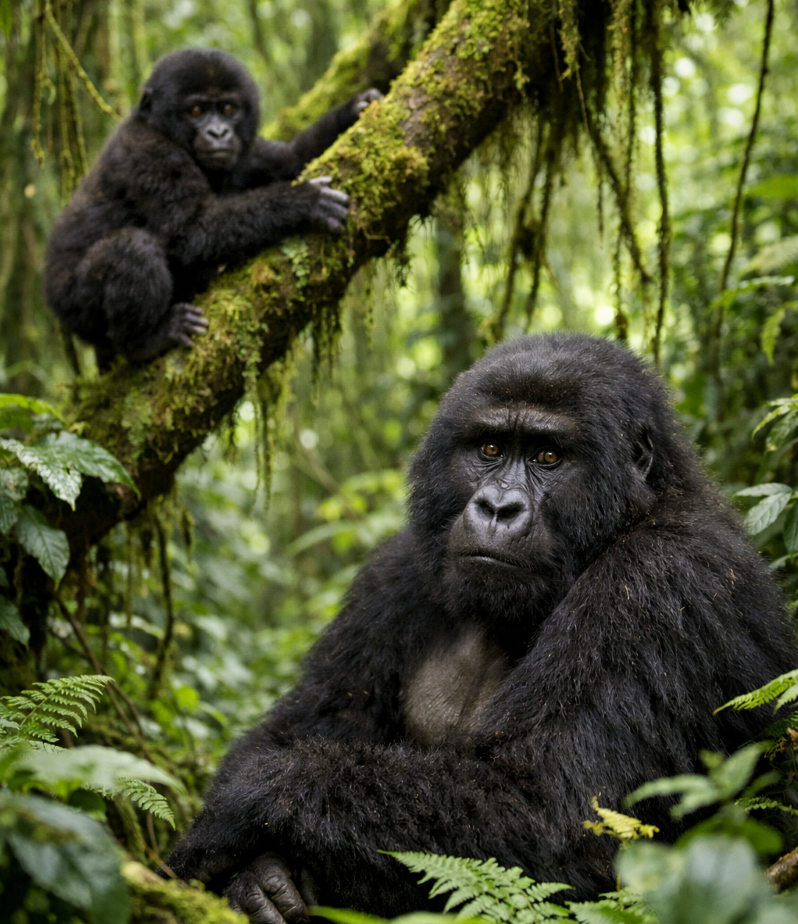
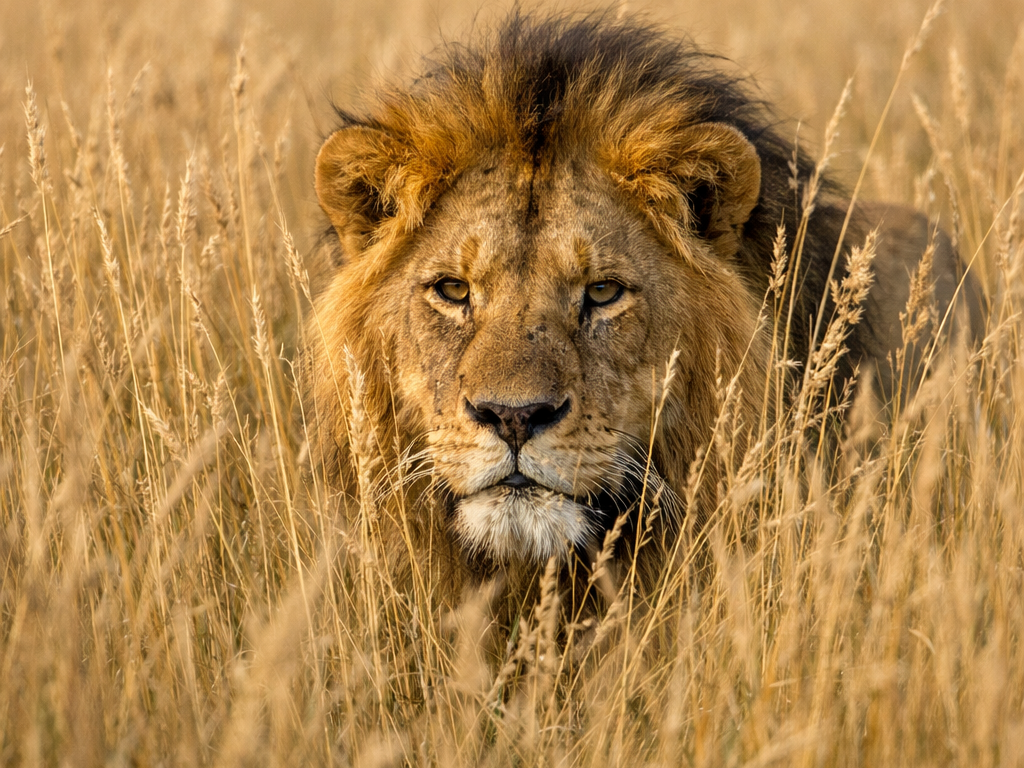
landscapes, safaris are often remembered for what is seen in a single moment: a
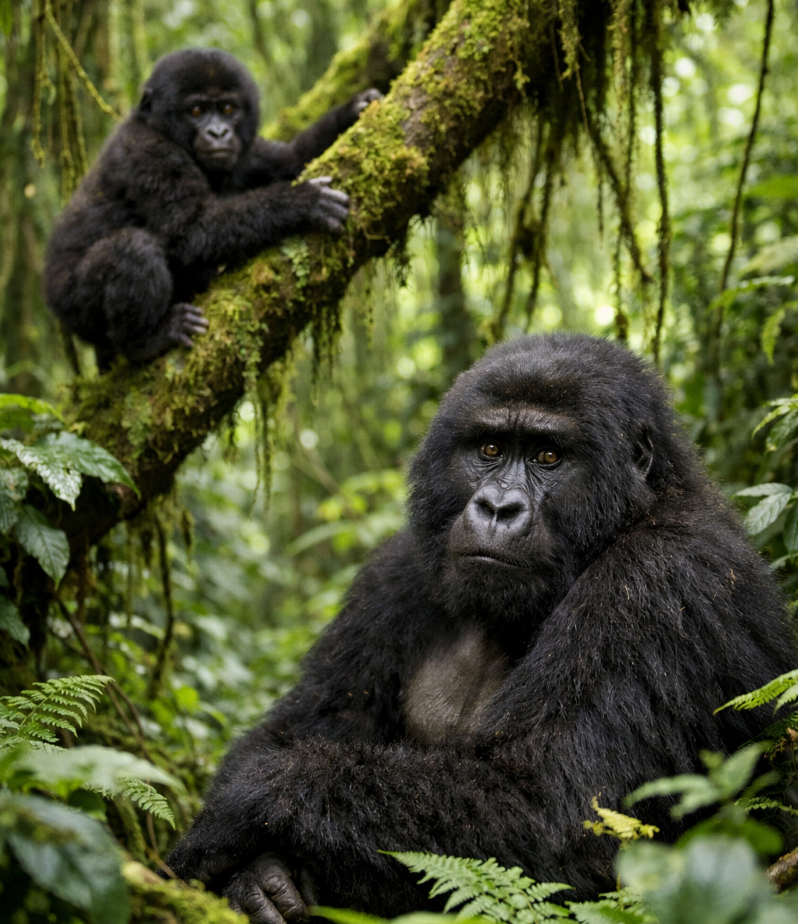
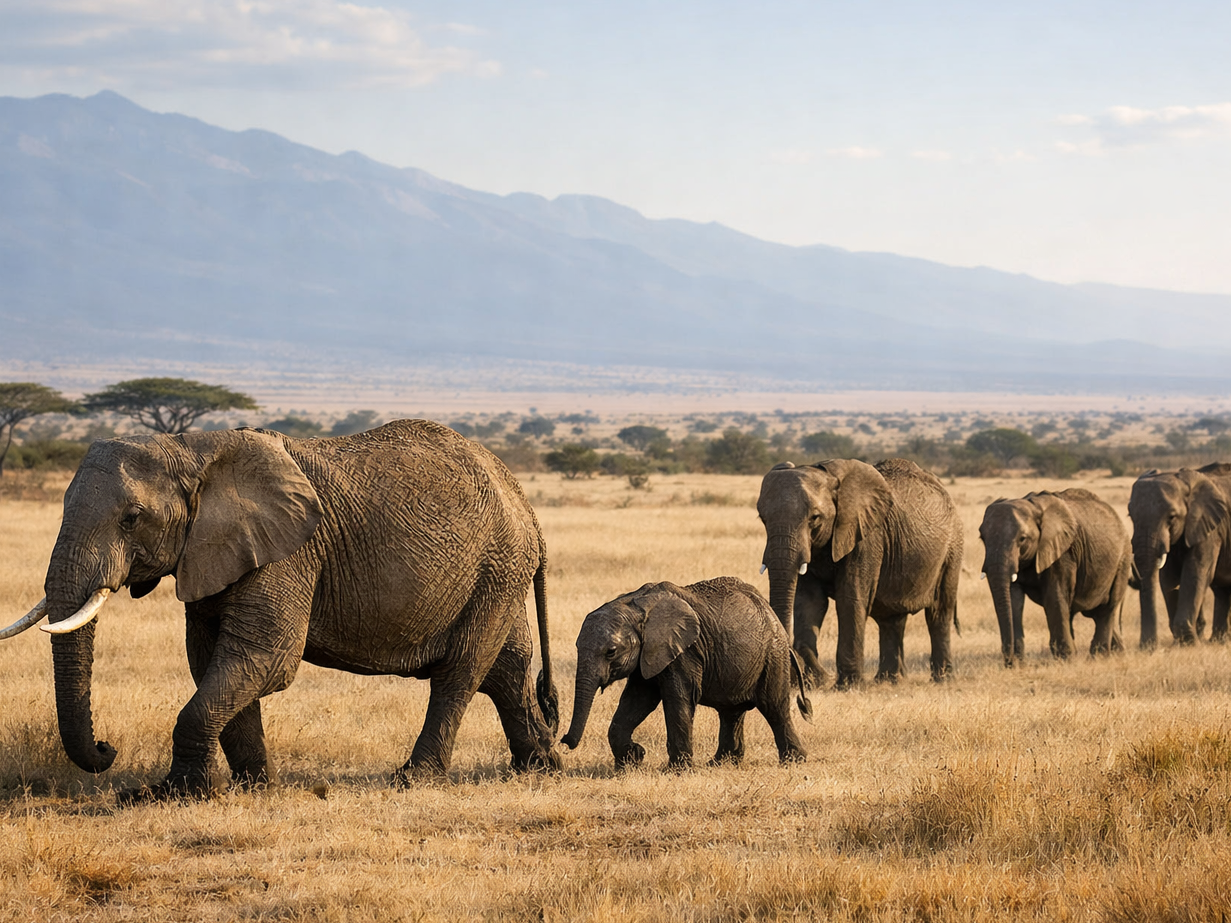
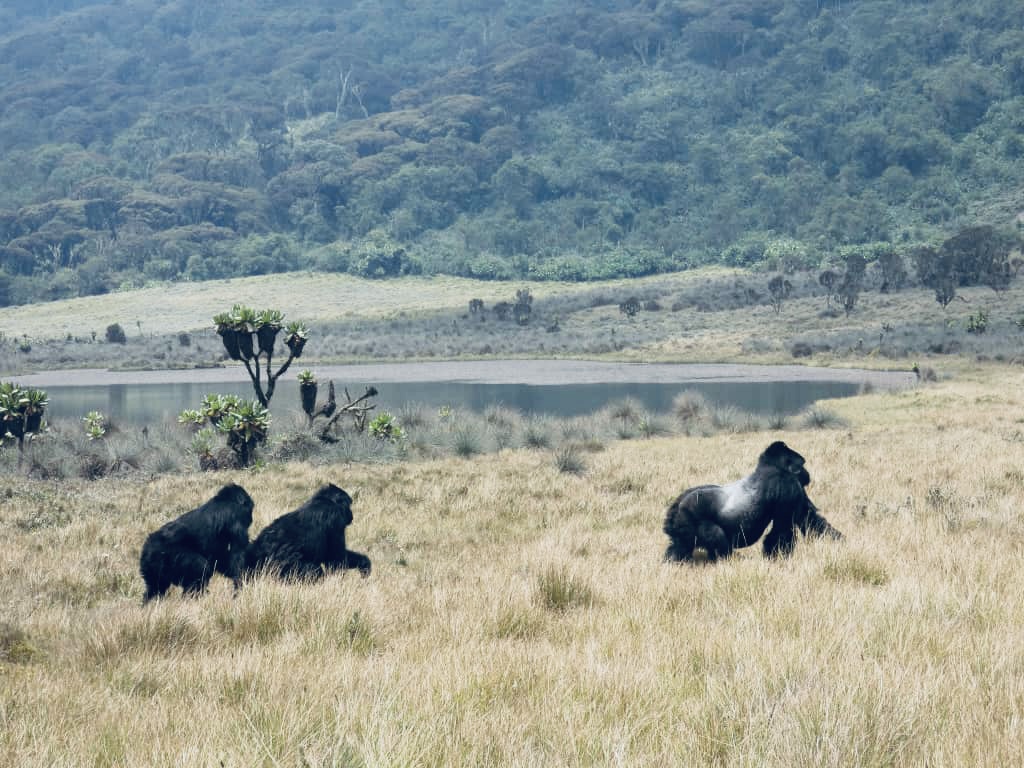
lion moving through tall grass, elephants crossing open plains, or primates disappearing
into dense forest. But beyond these encounters lies a quieter story, one that
unfolds over time and shapes the future of entire ecosystems. Safaris are not
only journeys through landscapes. They are part of how those landscapes
continue to exist.
A system where presence becomes protection
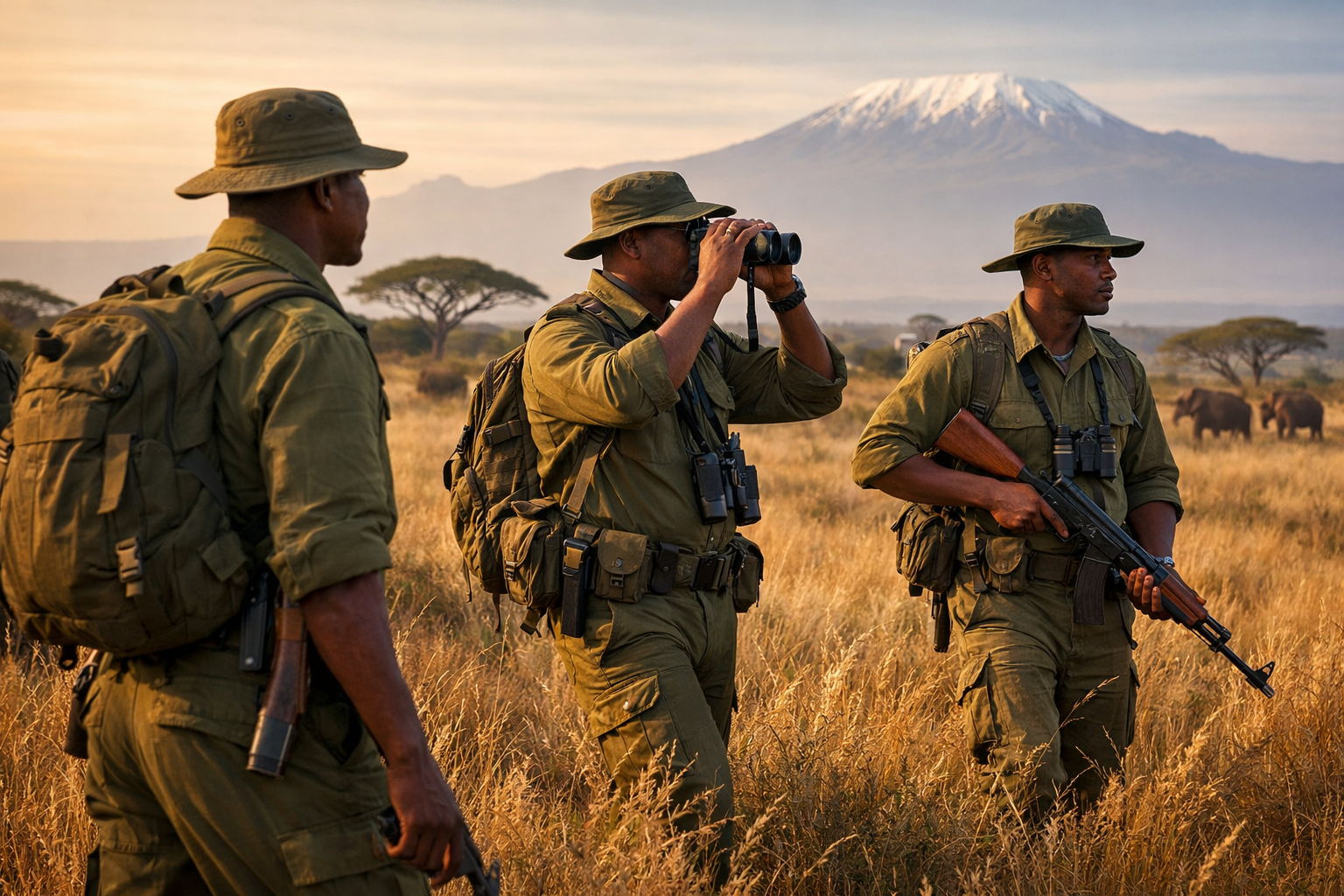
In many protected areas across
Africa, conservation is sustained not only by public funding or external
support but also by the steady flow of visitors who come to experience these places
firsthand. The movement of tourism creates a continuous thread of support that
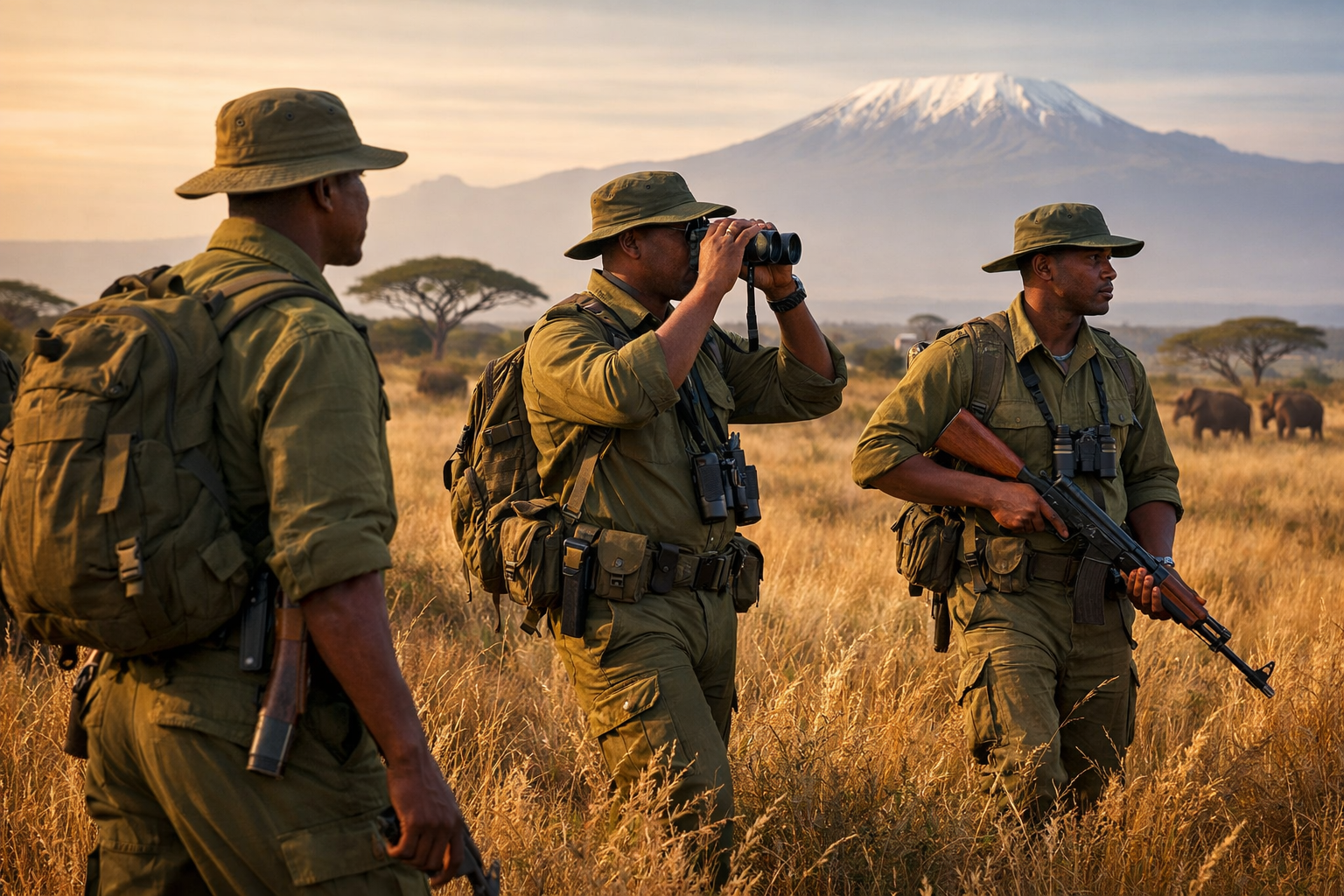
reaches deep into the daily operations of conservation areas. It helps maintain
ranger presence across vast wilderness zones, supports ecological monitoring in
remote habitats, and contributes to the care of injured or endangered wildlife
when intervention is needed. Over time, this creates a living system where
protection is not occasional but ongoing.
When wildlife becomes part of a living economy
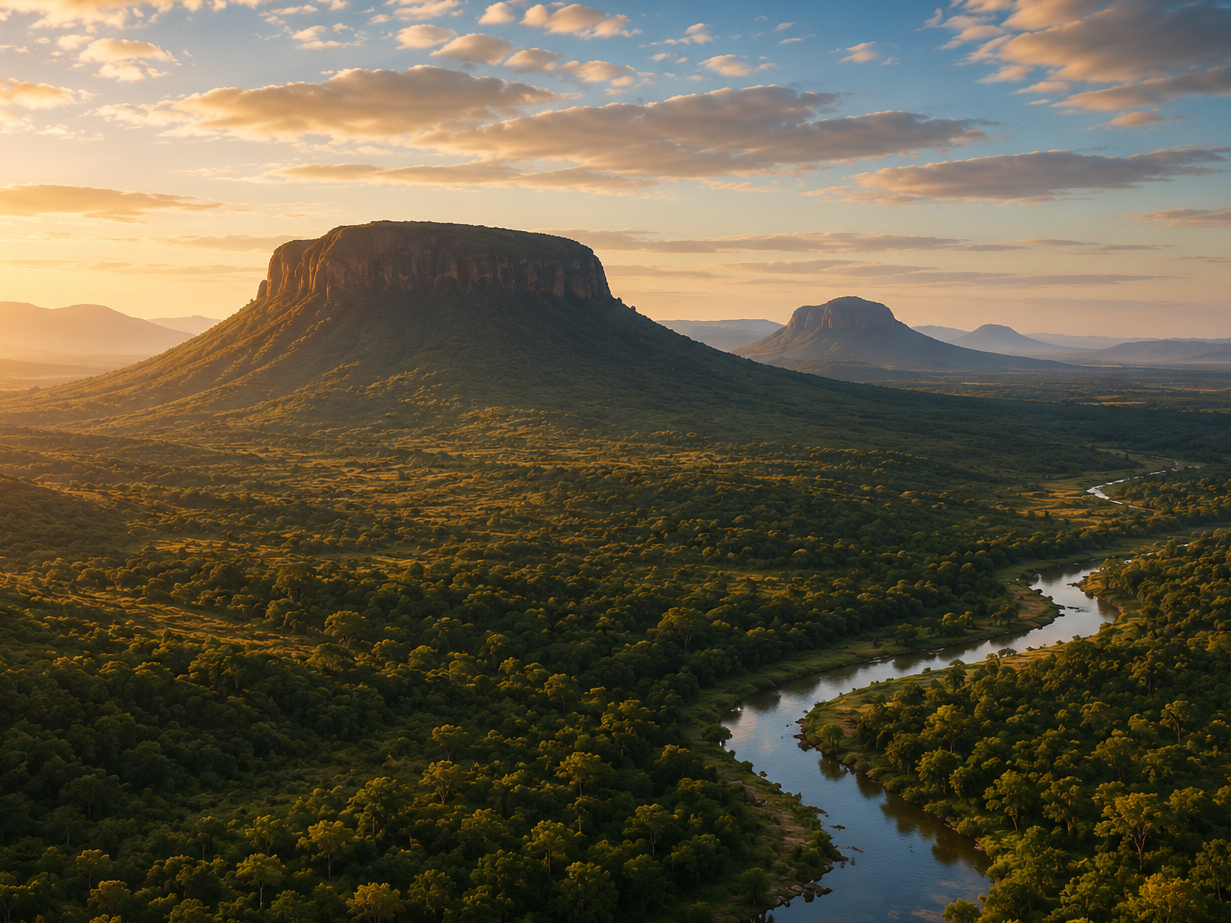
There is a subtle but powerful
shift that happens when wildlife is seen not as something to extract, but as
something that sustains life through its presence. In these landscapes, the
survival of species is closely tied to their continued visibility. Forests,
savannahs, and wetlands become more than habitats; they become long-term living
systems whose value depends on their continuity. This shift has quietly
reshaped how many ecosystems are protected, encouraging long-term care for
landscapes that cannot be replaced once lost.
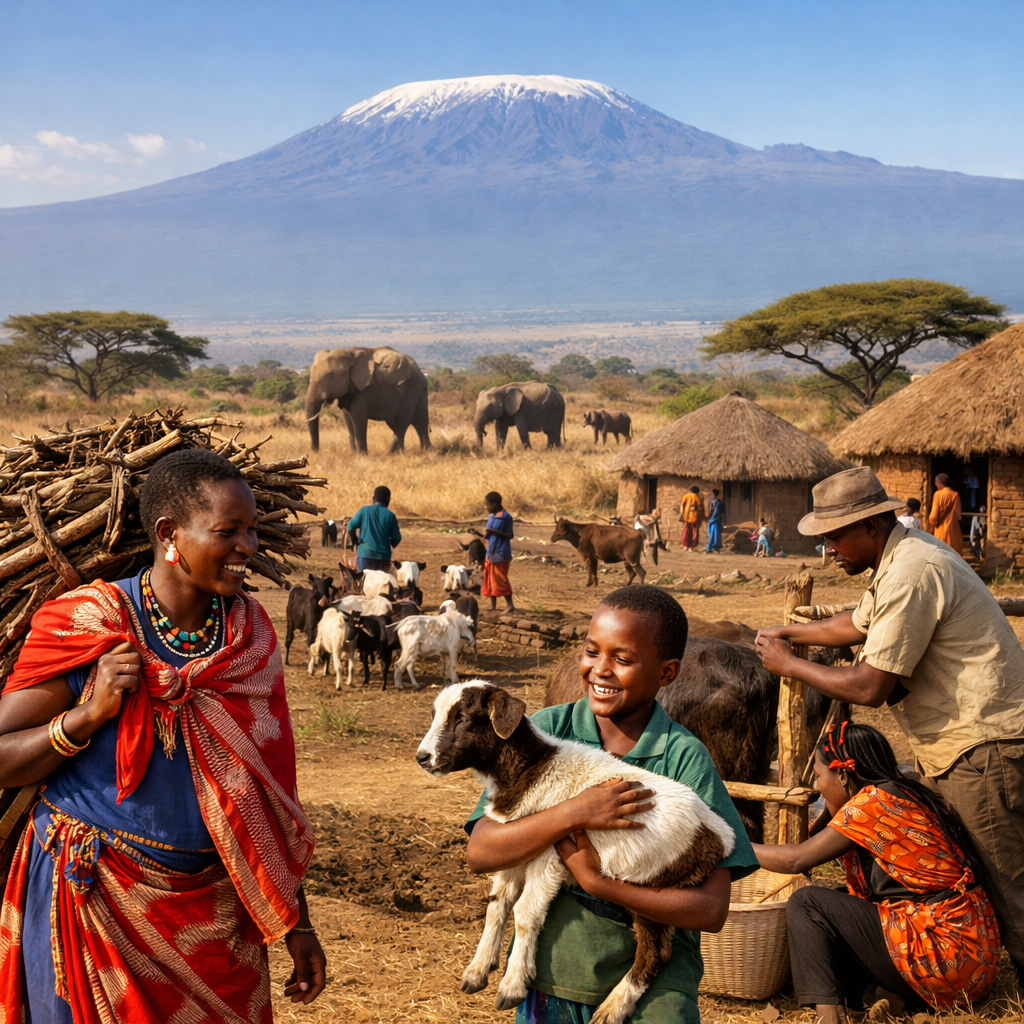
The human landscape around conservation areas
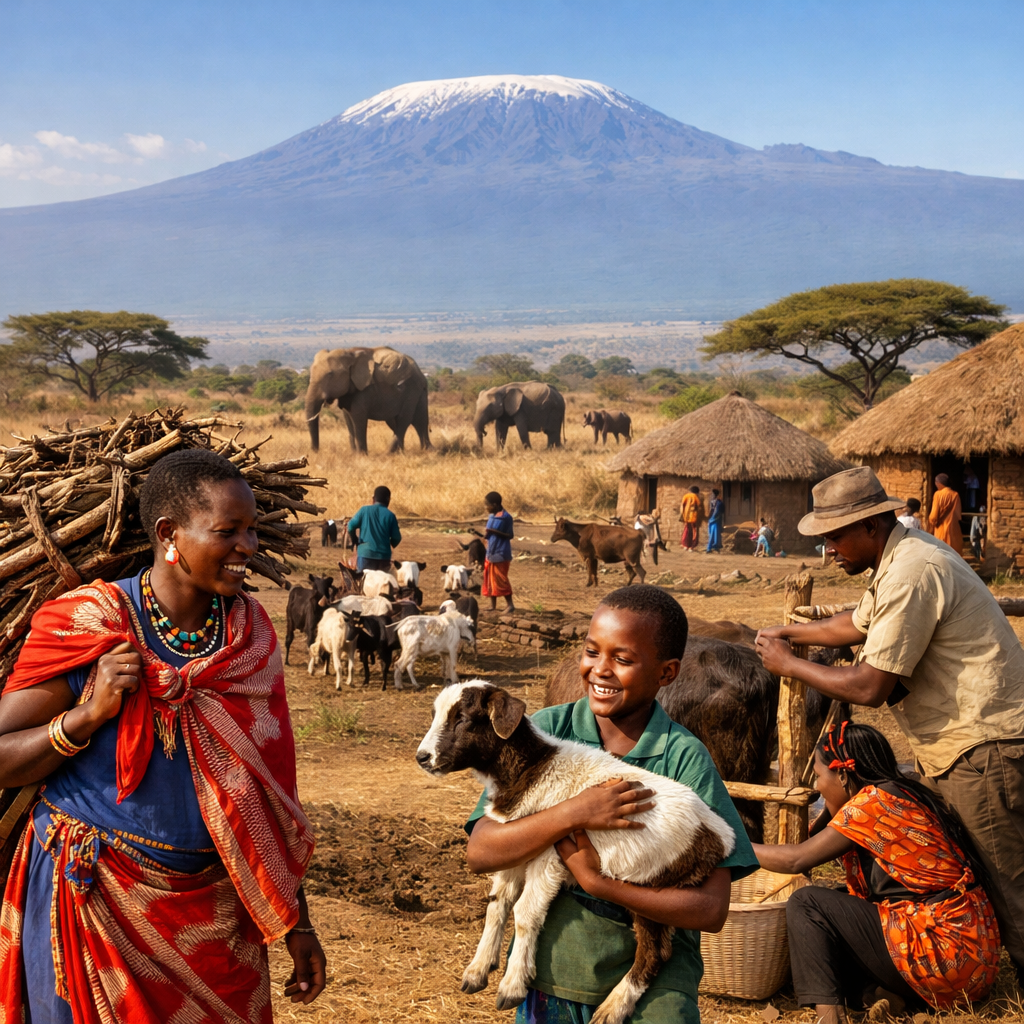
Beyond the boundaries of
protected parks, rural communities form an essential part of this system. In
regions close to wildlife habitats, daily life is closely connected to the
land. Tourism brings opportunities that are tied directly to conservation,
guiding, hospitality, cultural exchange, and field support roles that depend on
the continued health of these environments. Over time, this connection changes
the relationship between people and wildlife. Protection becomes less about
enforcement alone and more about shared interest in the future of the land.
Protected areas as living systems
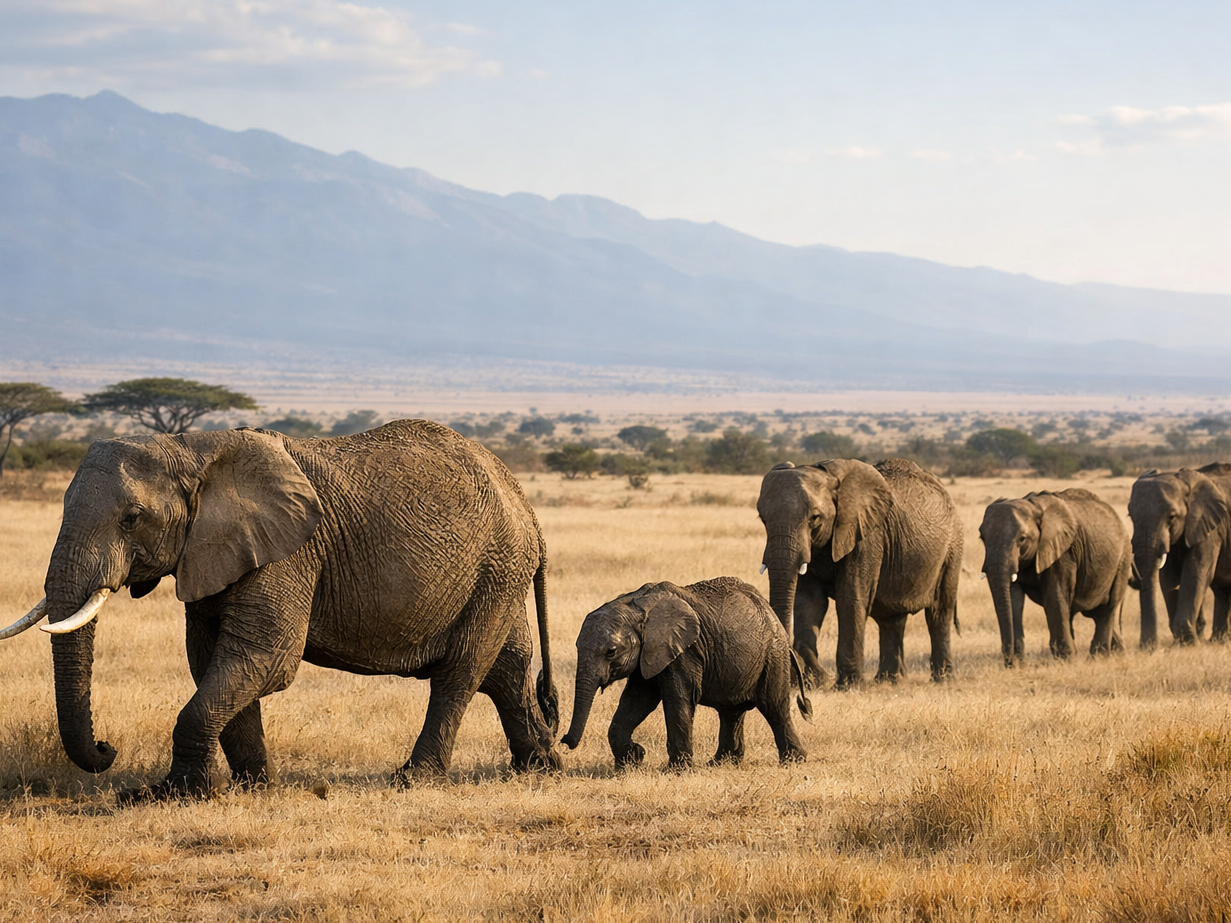
Africa’s national parks and
reserves operate through a layered structure, combining government management,
conservation teams, and tourism activity. Within this structure, safari tourism
plays a supporting role in maintaining access and infrastructure in remote
regions, supporting ecological research and biodiversity tracking,
strengthening conservation education and awareness, and enabling long-term
habitat protection strategies. These landscapes are not static reserves. They
are managed, evolving systems shaped by both natural cycles and human presence.
The wider reach of a single journey
The effects of safari tourism
extend beyond the landscapes where it takes place. Each journey contributes to
local livelihoods in rural regions, strengthens conservation capacity on the
ground, and builds global awareness of ecosystems that are often far removed
from everyday experience. In this way, a safari is not only an observation of
nature. It becomes part of a wider network of attention, connecting distant
landscapes to a global audience that might otherwise never encounter them.
A model shaped by connection
Unlike many forms of travel,
safaris are directly tied to the landscapes they move through. Their presence
supports the systems that protect wildlife. Their value is linked to the
continuity of ecosystems. Their impact extends into communities, conservation
teams, and global understanding of natural environments. Over time, this
creates a model where travel and conservation are not separate ideas, but
interconnected parts of the same system.
Closing perspective
Seen from this perspective,
safari tourism is not only about visiting wild places. It is part of the
ongoing process that allows those places to remain visible, protected, and
alive. And in that continuity between people, wildlife, and landscape lies one
of the most distinctive conservation systems in the modern world.
Join the Conversation
Be the first to comment!
Leave a Reply