

 TripAdvisor
A Region Seen Through Headlines
In recent months, the Virunga region
of East and Central Africa has once again appeared in international headlines.
Reports of conflict in the eastern Democratic Republic of the Congo and periodic
Ebola alerts in parts of Central Africa have raised questions among travelers
planning gorilla trekking journeys in Rwanda, Uganda, and Congo.
For many considering such a journey,
these headlines can merge into a single impression of uncertainty. Yet on the
ground, the reality is more complex, shaped by geography, conservation systems,
and carefully managed tourism zones that operate independently across the
region.
The Virunga landscape is not a
single destination. It is a vast ecological corridor stretching across three
countries, where conditions can shift significantly from one protected area to
another.
The Forest That Crosses Borders
The mountain forests of the Virunga
Massif do not follow political boundaries. They extend across Rwanda gorilla trekking, Uganda gorilla trekking and the Democratic Republic of
the Congo, forming one of the most biologically rich and closely monitored
ecosystems in Africa.
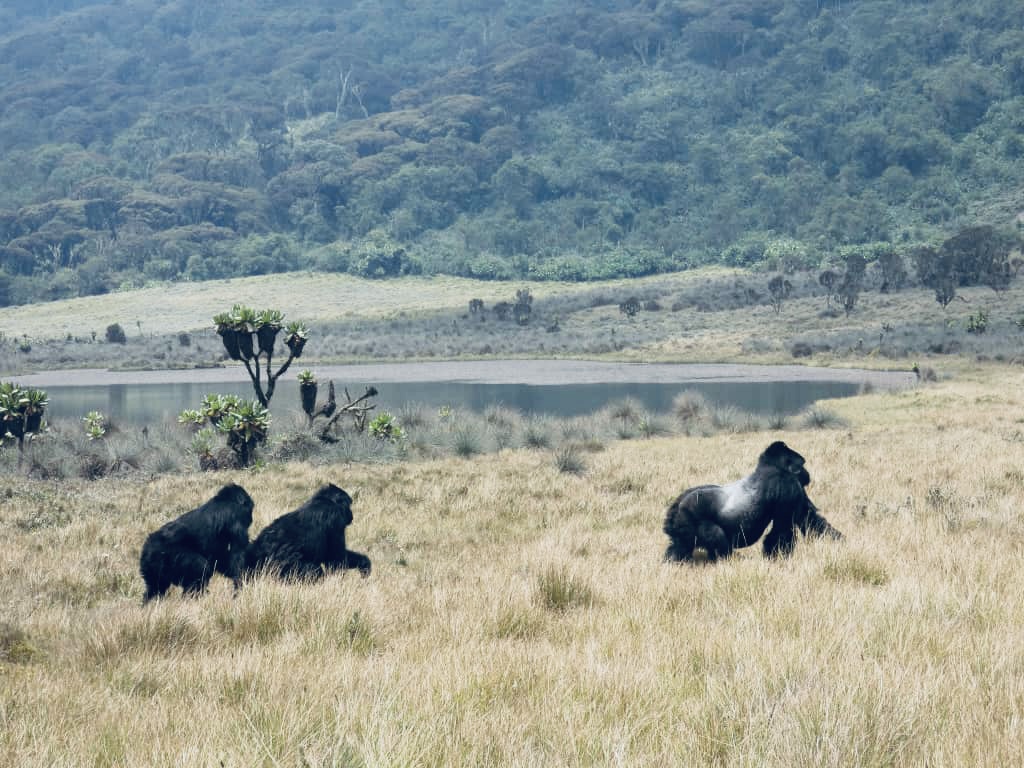
Within these forests, mountain
gorillas move freely between slopes governed by different national authorities.
Conservation teams and park institutions coordinate across borders to protect
this shared habitat.
It is this intersection of ecology
and governance that gives the region its uniqueness and complexity.

What Visitors Experience on the Ground
In Rwanda and Uganda, gorilla tracking has developed into one of the most tightly regulated wildlife
experiences in the world. Each journey begins with a structured briefing led by
park rangers, followed by small groups moving through dense forest under the
guidance of trackers who follow gorilla families daily.
Visitor numbers are strictly
limited, routes are monitored, and every trek is designed to reduce disturbance
to wildlife while ensuring a safe and controlled experience.

Health Monitoring and Regional Reality
Questions about Ebola occasionally
reappear in discussions about travel to Central Africa. These concerns exist
within a broader context of active health surveillance systems that monitor,
contain, and respond rapidly to any outbreaks when they occur.
Tourism areas in Rwanda and Uganda
operate under strict tourism safety protocols and official health guidelines and are geographically separate from zones typically associated
with such alerts.
Distance Between Conflict and Tourism
In the eastern Democratic Republic of
the Congo, security challenges in certain areas continue to attract
international attention. These developments are real, but they do not define
the wider Virunga landscape.
Tourism circuits in Rwanda and
Uganda operate under different administrative frameworks and park
regulations, with independent park authorities managing access, safety, and
visitor movement.
A Landscape Still Open to Exploration
Despite external concerns, travelers
continue to journey into the Virunga region each year, drawn by one of the
rarest wildlife encounters on earth.
The mountain gorilla experience
remains one of Africa’s most powerful wildlife experience journeys,
combining conservation, guided trekking, and close observation of habituated
gorilla families.

Planning With Context, Not Assumption
For those considering a gorilla
trekking journey in 2026, the most important step is not eliminating uncertainty but understanding it correctly. Conditions vary across countries
and are monitored continuously.
Working with experienced operators
helps travelers plan your trip with accurate, real-time guidance.
If you are ready to move forward,
you can explore gorilla trekking safaris, request travel itinerary
planning, or make an inquiry to book gorilla trekking experiences
tailored to current conditions.

Final Note
In a region often defined through
headlines, the reality is more layered—shaped by conservation, continuity, and
landscapes that remain among the most remarkable in the world.



Join the Conversation
Be the first to comment!
Leave a Reply