

 TripAdvisor
Guiding More Than the Way: The Role of Local Trekking Staff
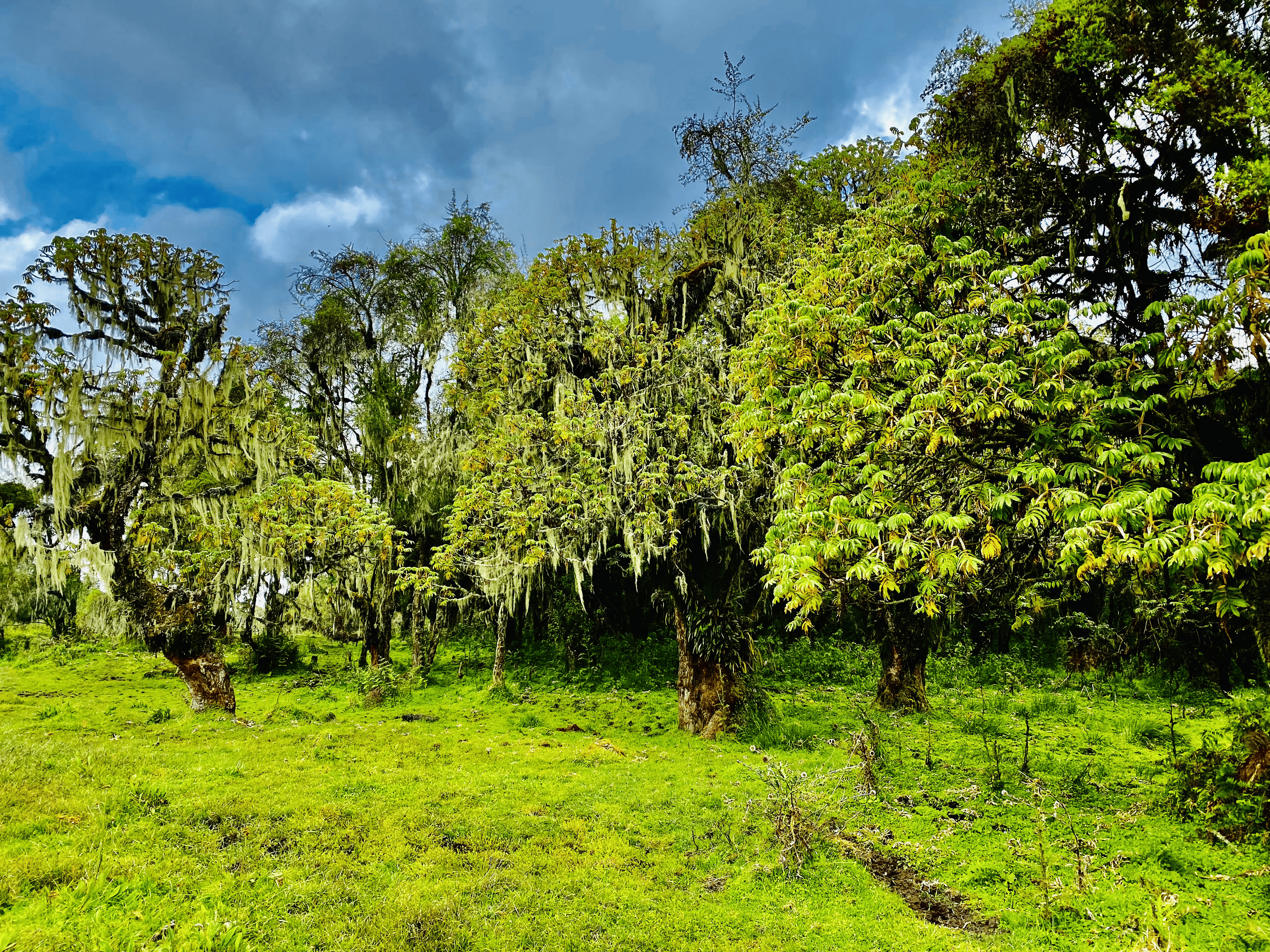
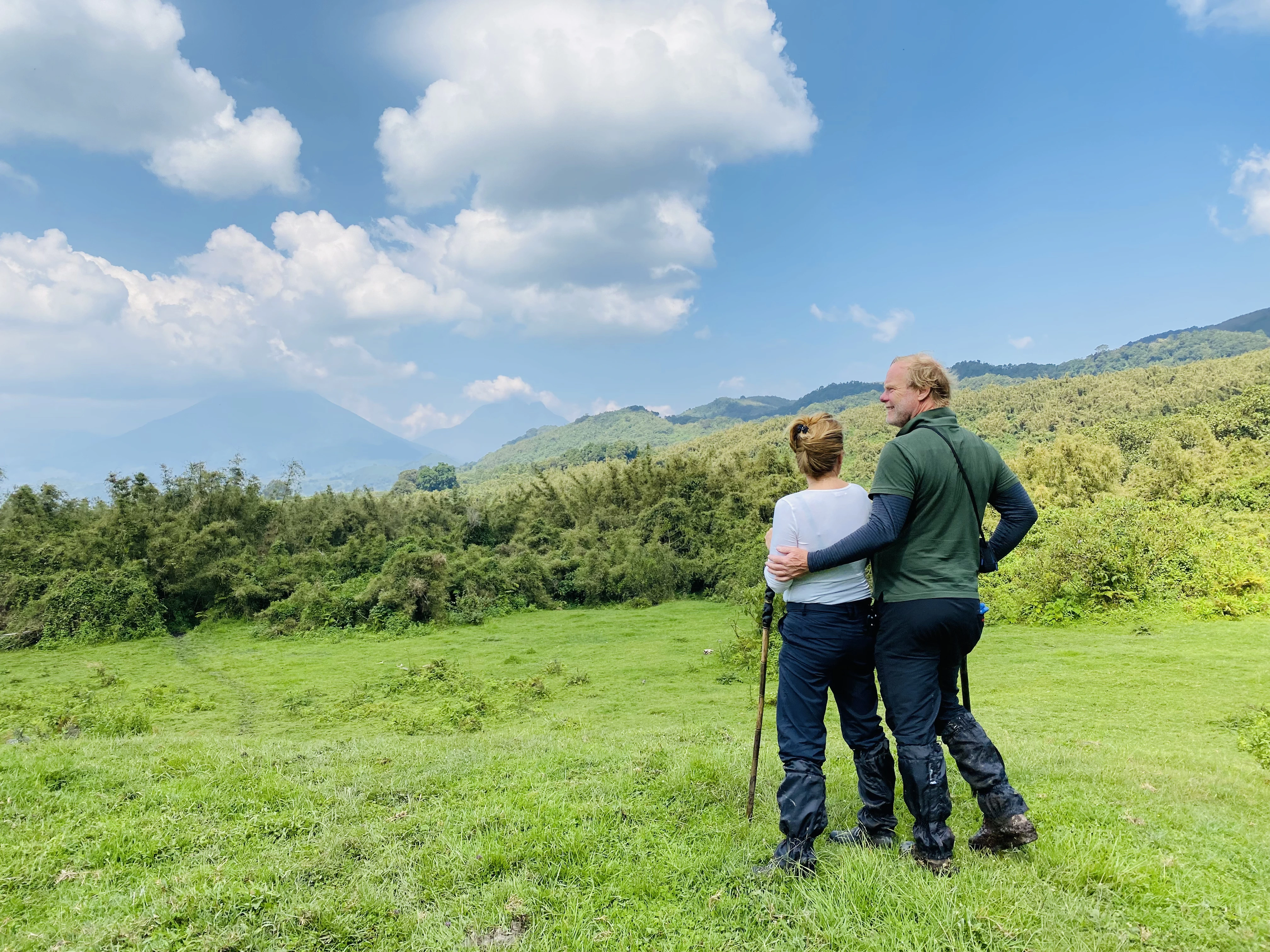
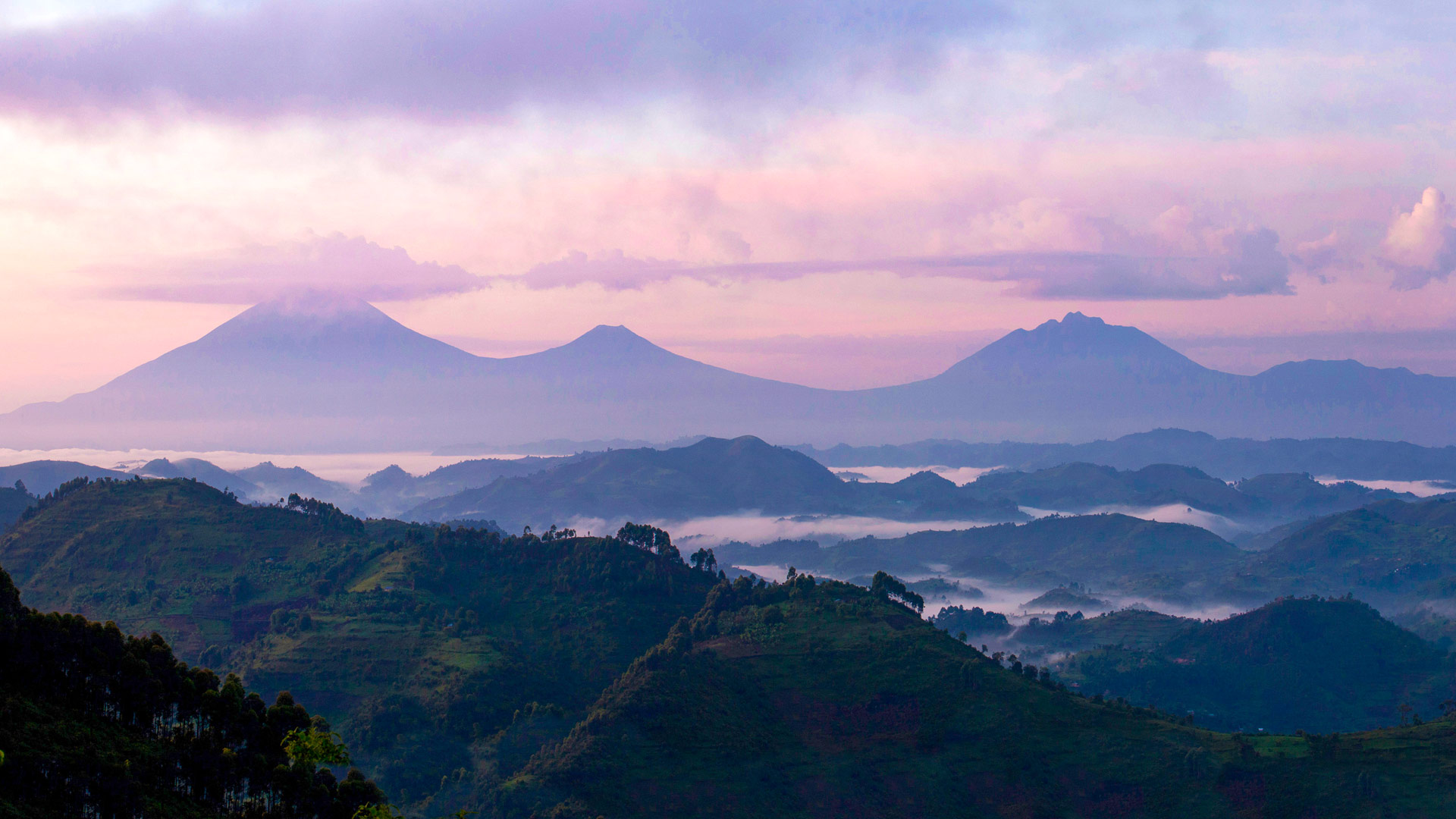
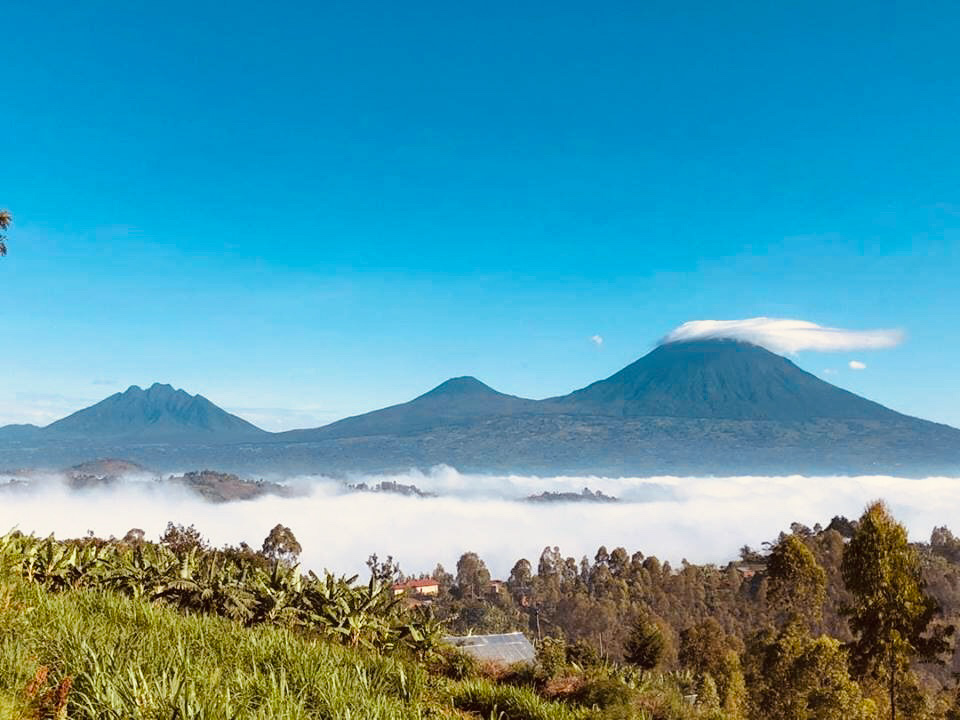
In the towering highlands where Rwanda, Uganda, and the Democratic Republic of Congo converge, the Virunga Massif rises like a green fortress a haven for rare wildlife and a magnet for adventure seekers. Tourists often arrive seeking gorillas and panoramic landscapes, yet beneath the surface of these experiences lies a human story less often told. This is the story of the men and women who walk these trails daily, not as visitors, but as the quiet custodians of both the forest and the tourism industry that depends on it.
Successful trek into the Virunga forests
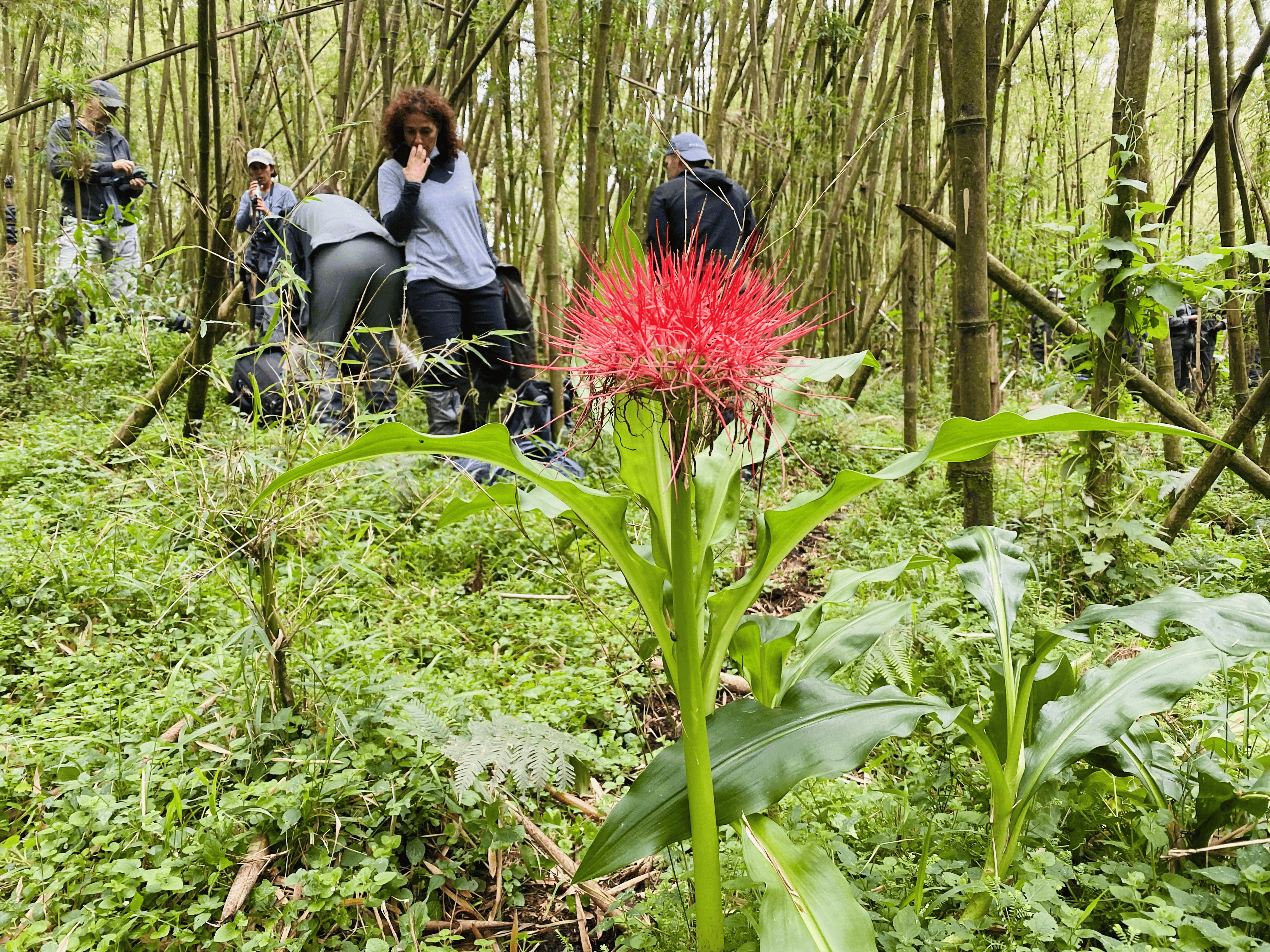
For every successful trek into the Virunga forests, there is a network of local support that makes the experience possible. Guides and porters many of whom come from neighboring communities are indispensable companions on these journeys. Their responsibilities go beyond navigating dense vegetation and managing slippery ascents. They are interpreters of the forest’s secrets, offering stories, ecological context, and insights that deepen visitors’ understanding of the region.
These roles are often lifelines for families. In rural areas where employment is limited, working in tourism provides not just wages, but stability. The income sustains households, pays school fees, covers healthcare costs, and supports farming activities. For many, it is a dignified profession, built not only on knowledge of the terrain but on a growing pride in local heritage and environmental stewardship.
Tourism as a Village Economy
Tourism income goes far beyond the immediate workers
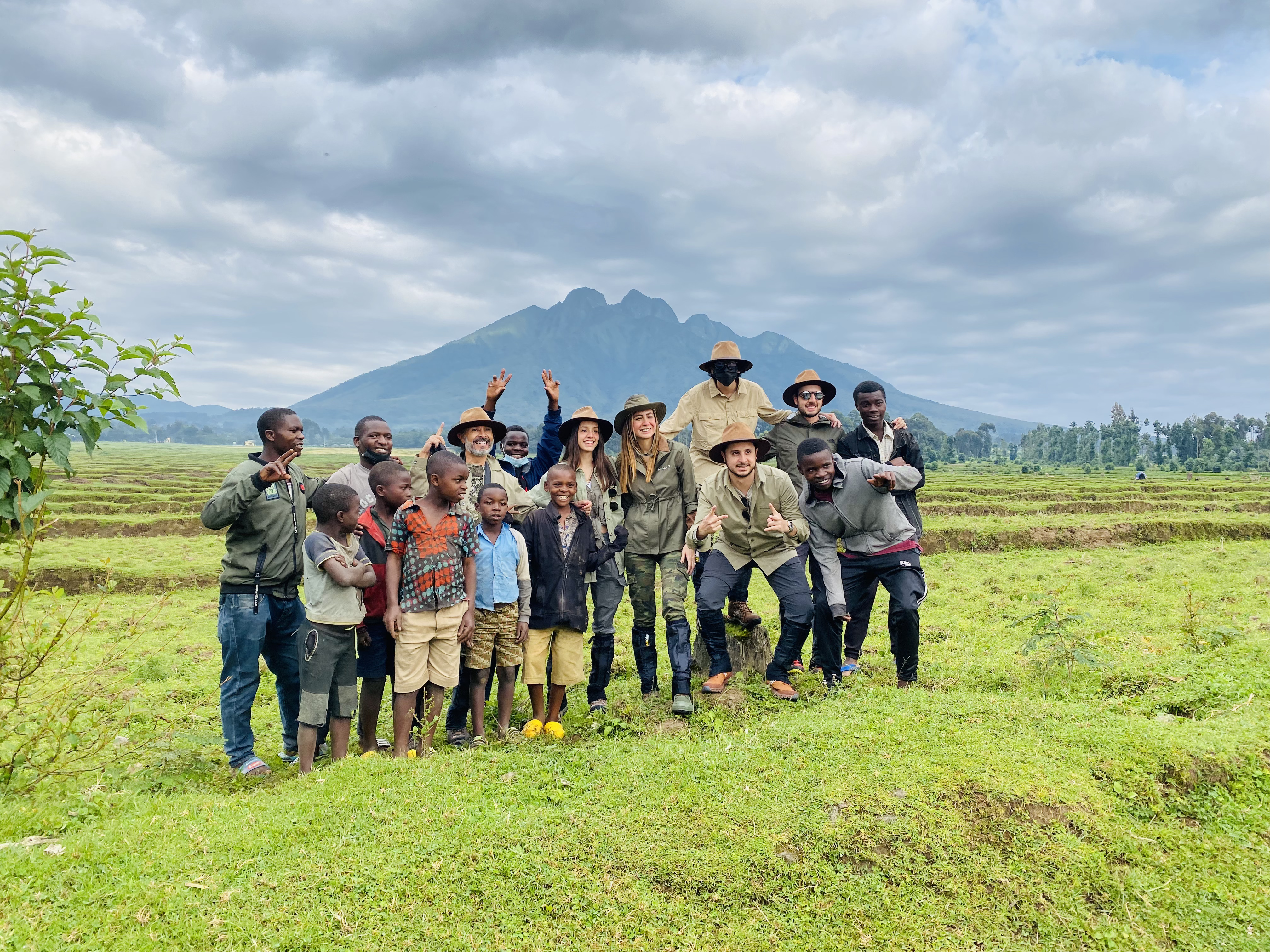
In the Virunga Massif, the reach of tourism income goes far beyond the immediate workers. When a guide earns a day’s wage, that money does not stay in one pocket it circulates through households, schools, health centers, and small businesses. In regions with minimal formal employment, tourism offers a rare and vital injection of capital.
This economic ripple effect reinforces the social value of conservation. When protecting the environment becomes synonymous with preserving livelihoods, local communities find renewed reason to invest in sustainable practices. Forests are no longer viewed solely as sources of extraction but as living assets crucial to survival and to identity.
Toward an Inclusive Conservation Future
The Virunga region reminds us
What emerges from this quiet revolution in the Virunga Massif is a blueprint for inclusive conservation. The forests are not being protected by walls or patrols alone they are being safeguarded by people whose lives are intertwined with the land. Empowered by opportunity and supported by responsible tourism, these communities are demonstrating that ecological sustainability and economic resilience can grow hand in hand.
As global tourism continues to evolve, the story of the Virunga region reminds us that the most profound journeys are those that connect people not just places. The true success of conservation here lies not only in the survival of mountain gorillas or the preservation of landscapes, but in the recognition of those who walk beside us guiding, supporting, and reminding us that the path to sustainability is one we travel together.
.jpg)
Join the Conversation
Be the first to comment!
Leave a Reply