

 TripAdvisor
A Day for the Brave: Why July 31st Matters More Than Ever
On July 31st, the world honors the quiet strength of wildlife rangers the individuals who walk unmarked paths, cross into danger zones, and rise before dawn to guard the most vulnerable life on Earth. World Ranger Day is not just a day of remembrance, but a call to recognition of courage, discipline, and the lifelong commitment to nature.rnrnIn 2025, this day carries deeper weight across the Virunga Massif, a volcanic chain straddling Rwanda, Uganda, and the Democratic Republic of Congo (DR Congo). It marks 100 years since the creation of both Volcanoes National Park and Virunga National Park, the first formal steps in protecting the mountain gorilla — a species that has come back from the edge of extinction thanks to the resolve of the very people we celebrate today.
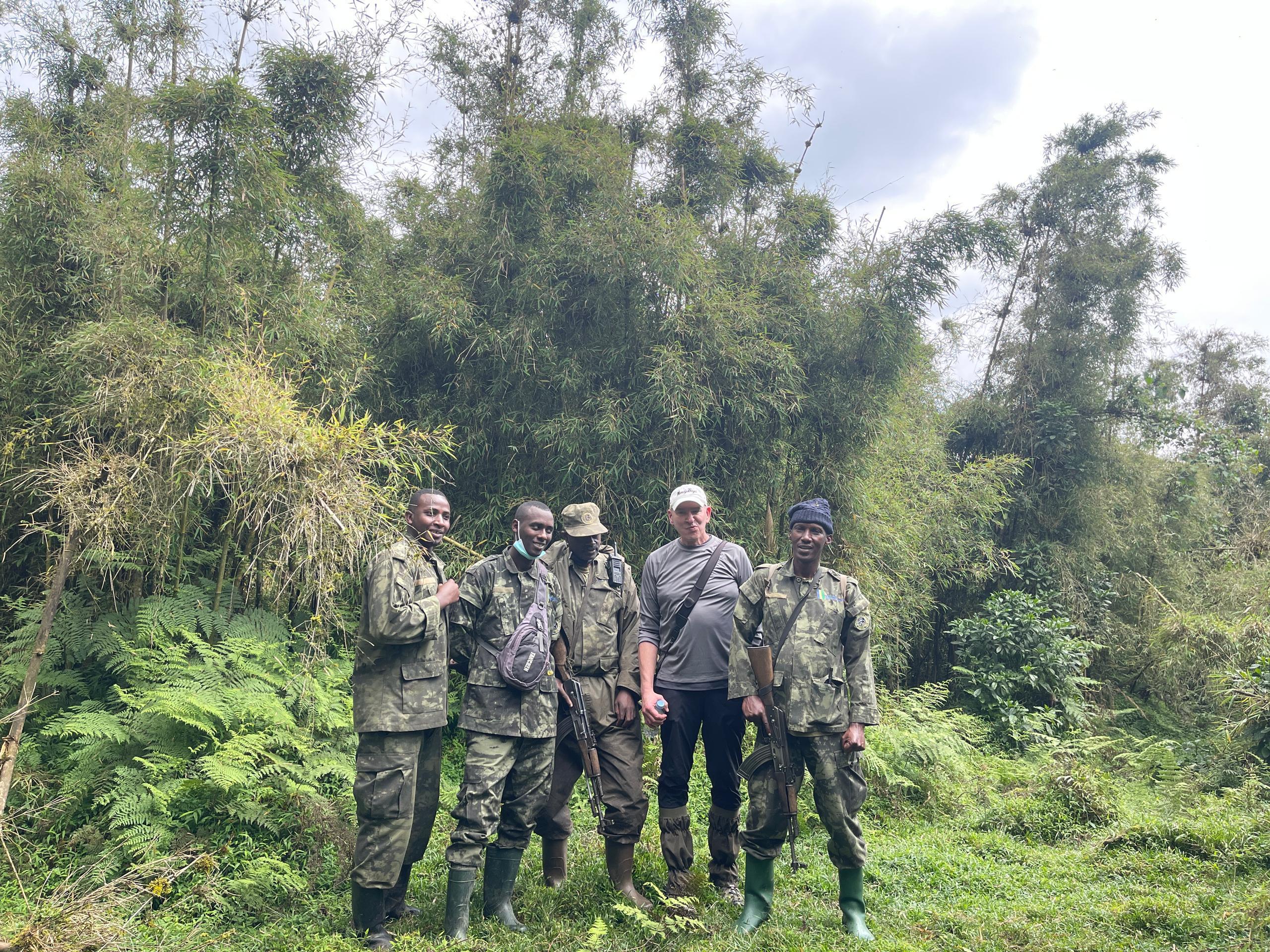
World Ranger Day
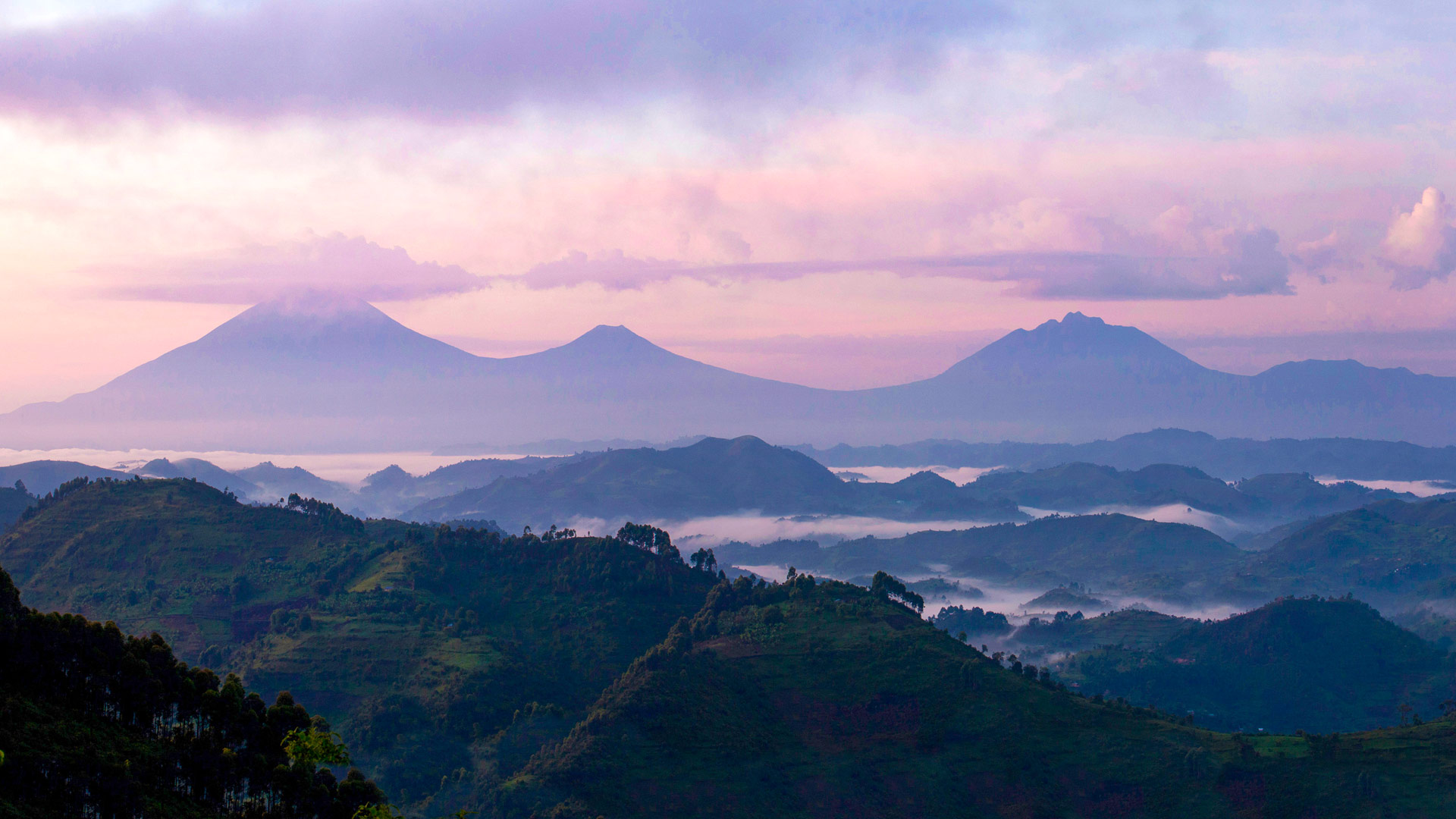
The Virunga Massif: A Shared Sanctuary for Gorillas and Guardians
Stretching across international borders, the Virunga Massif is home to over half of the world’s mountain gorillas. But this biodiversity stronghold is also one of the most geopolitically complex regions in Africa. Here, three nations share both responsibility and pride for its protection:
Rwanda – Volcanoes National Park
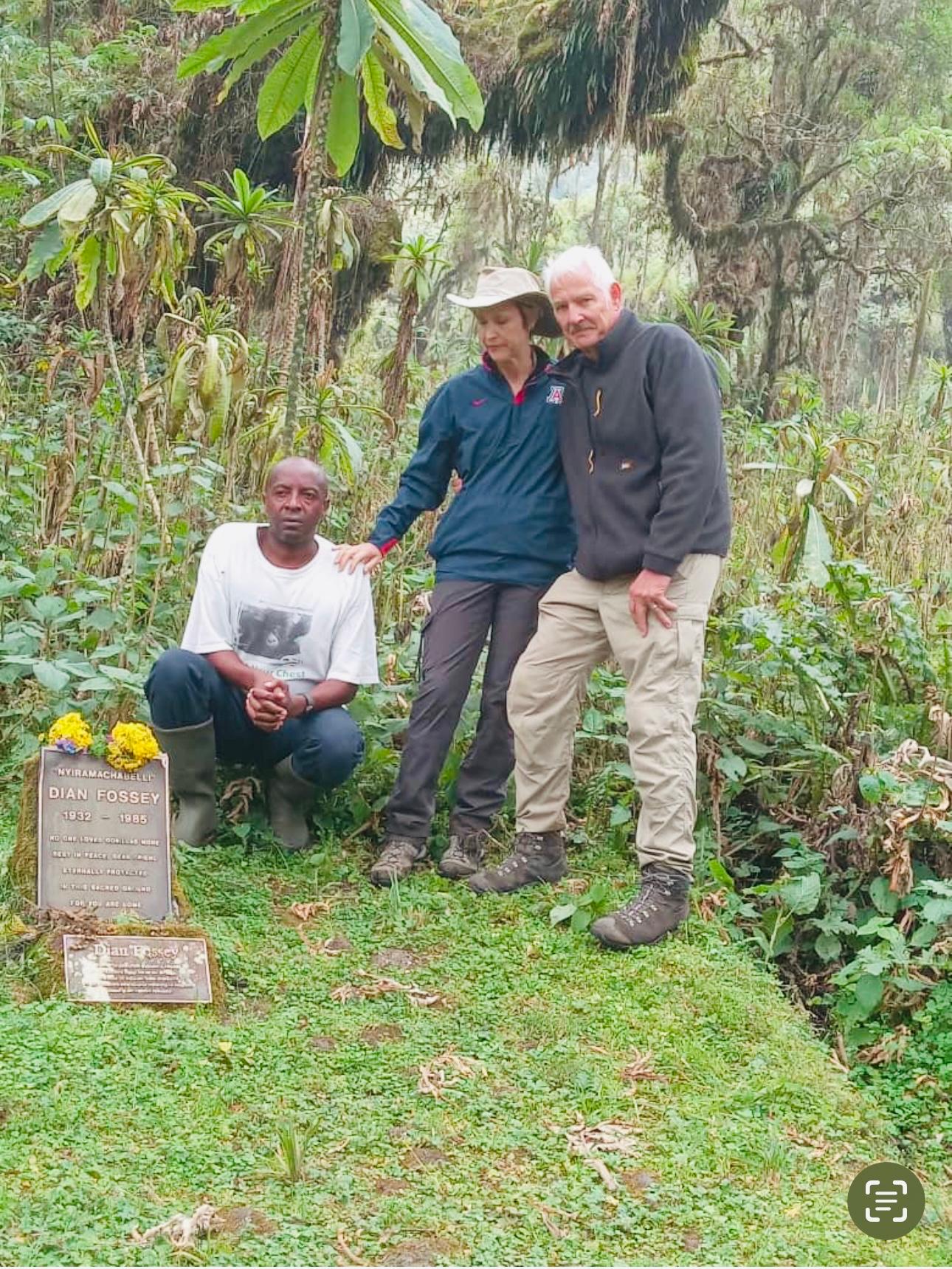
Established in 1925, Volcanoes National Park became the foundation for modern gorilla conservation. It was here that Dr. Dian Fossey began her work, living among gorillas, understanding their behavior, and launching a global movement that would change the fate of the species forever.
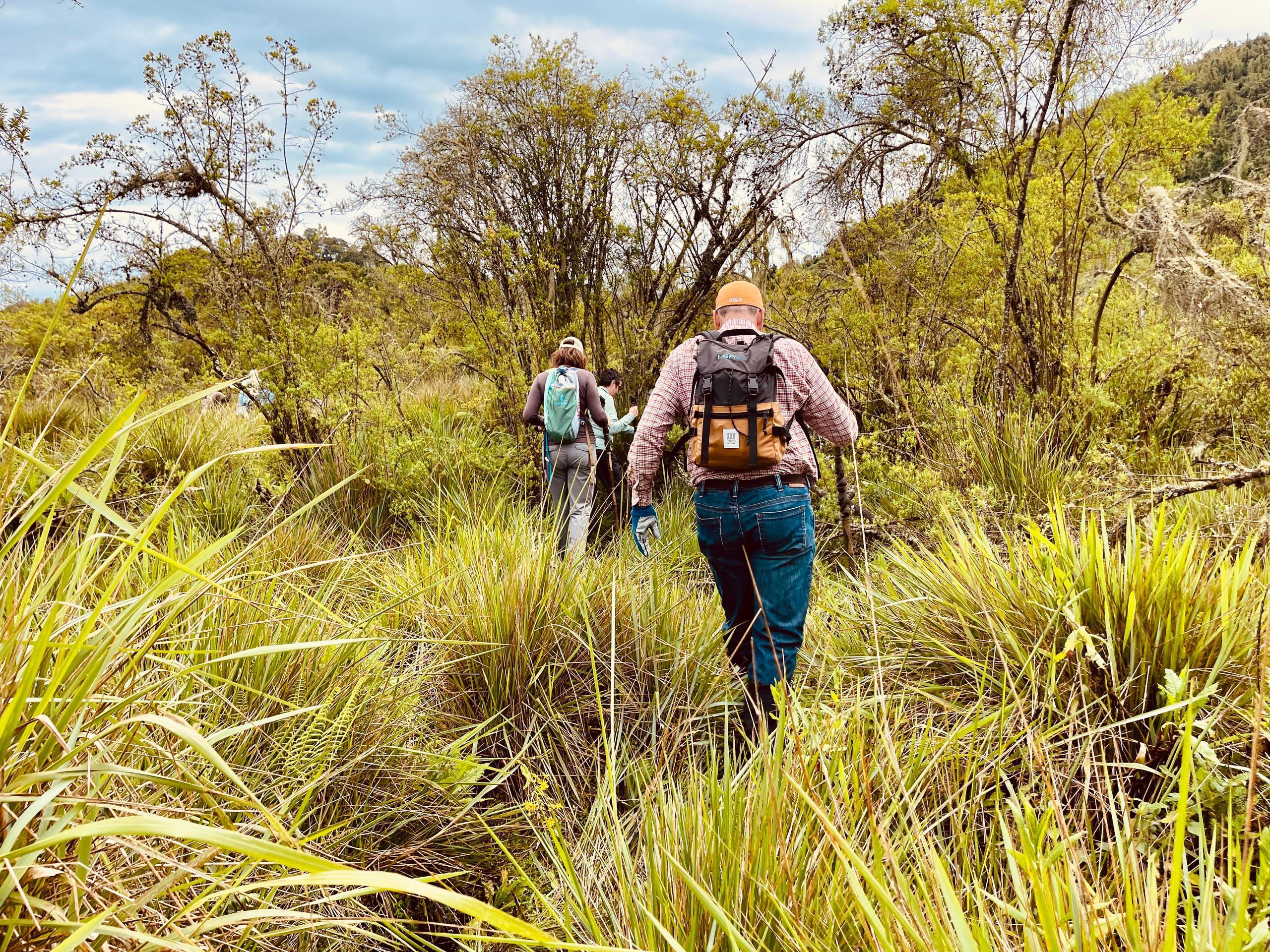
Today’s rangers, many of them born in surrounding communities, carry her torch. They track gorillas daily, remove snares, patrol for illegal activity, and guide tourists into the forests. Their work has helped Rwanda develop a successful conservation-tourism model, where wildlife protection directly supports livelihoods and national pride.
DR Congo – Virunga National Park
Few places embody the risks of ranger life more than Virunga, Africa’s oldest national park. Despite violent conflict, oil exploration threats, and militia activity, its rangers have stood firm. Over 200 have died in the past 20 years, often ambushed while patrolling remote sectors or defending gorilla families from danger.
Yet, these rangers are resilient. They oversee gorilla tracking, elephant protection, and collaborate with the Virunga Alliance, which integrates conservation with local development, from sustainable energy projects to education.
Uganda – Mgahinga Gorilla National Park
Uganda’s contribution to the Massif is Mgahinga, a small but significant park that connects with both Virunga and Volcanoes. Here, rangers lead anti-poaching patrols and work with local Batwa communities to bridge traditional knowledge with modern conservation.
With only one habituated gorilla group, Mgahinga emphasizes intimacy over scale. Its rangers ensure safety for wildlife and visitors, while also nurturing a sense of shared ownership among surrounding communities.
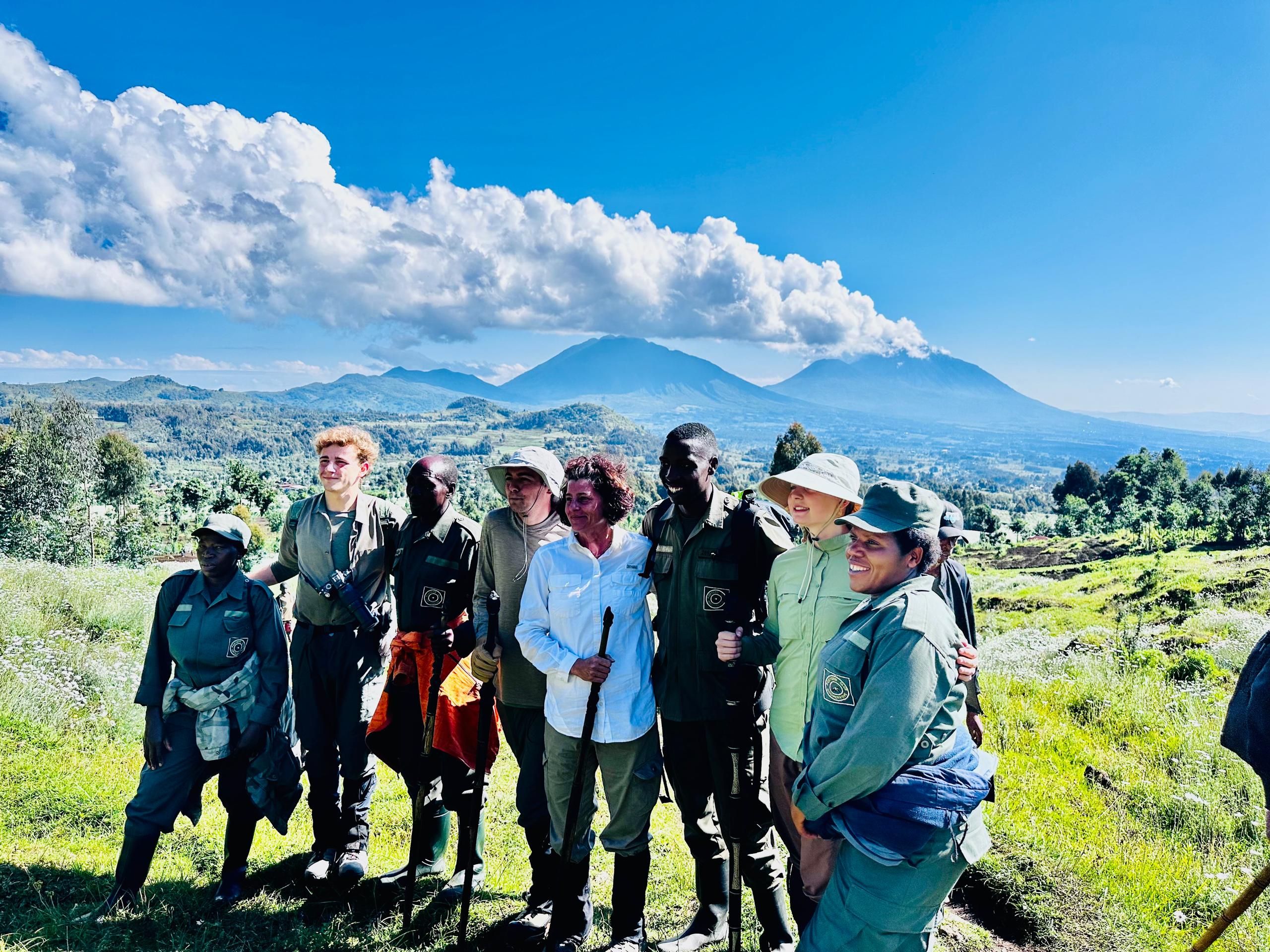
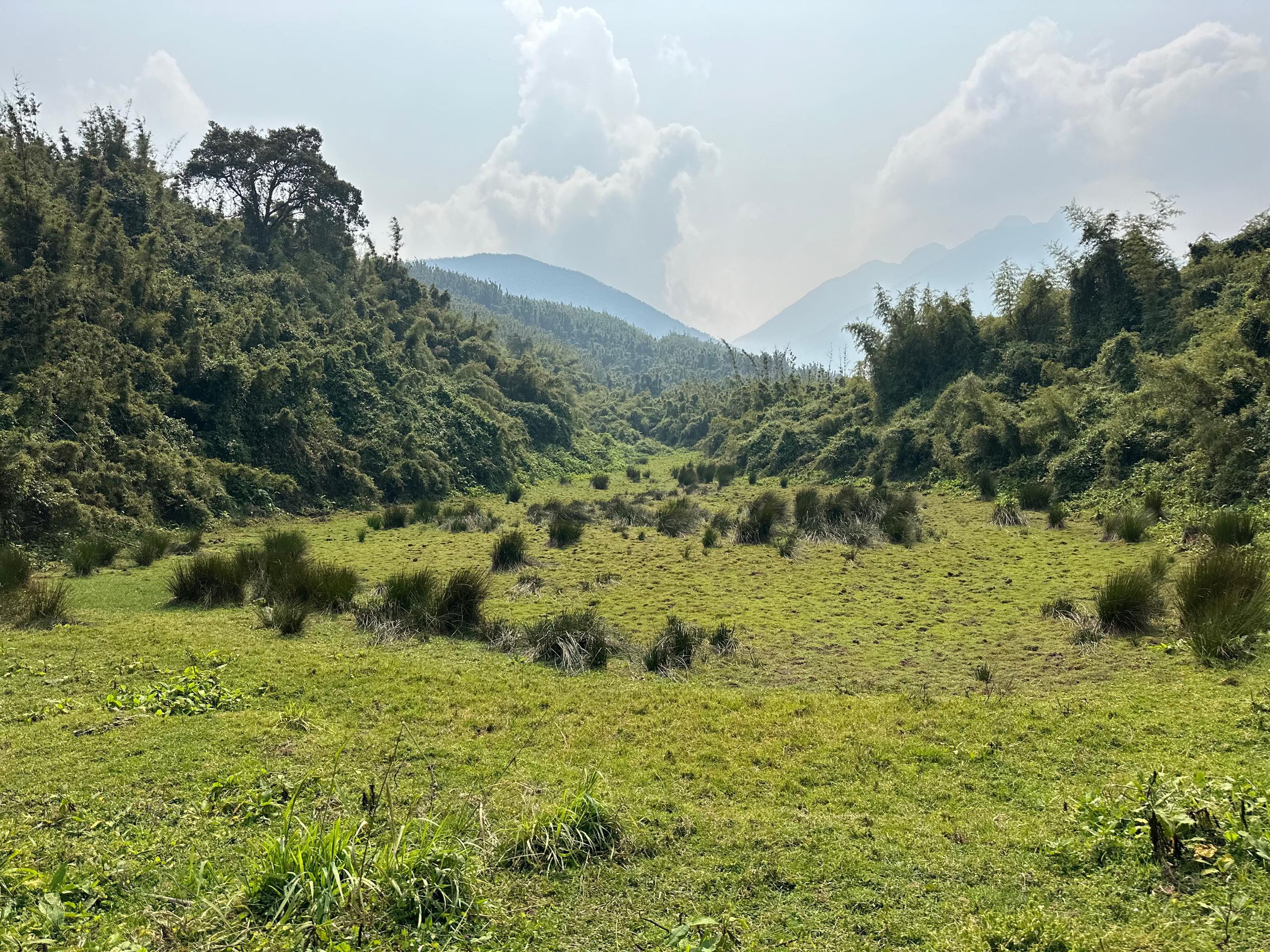
Volcanoes National Park
The Role of Partnerships and the Future of Protection
Conservation in the Virunga Massif has succeeded because of collaboration. National park authorities — RDB (Rwanda), ICCN (DR Congo), and UWA (Uganda) work with international NGOs, veterinary teams, scientists, and tourism partners to ensure rangers are supported.
These partnerships provide:
• Better equipment and medical care
• Advanced training and technology
• Cross-border patrol systems and intelligence sharing
• Education programs that connect local youth to conservation careers
One shining example is the Greater Virunga Transboundary Collaboration, which promotes coordination across borders for wildlife monitoring, patrols, and even community development.
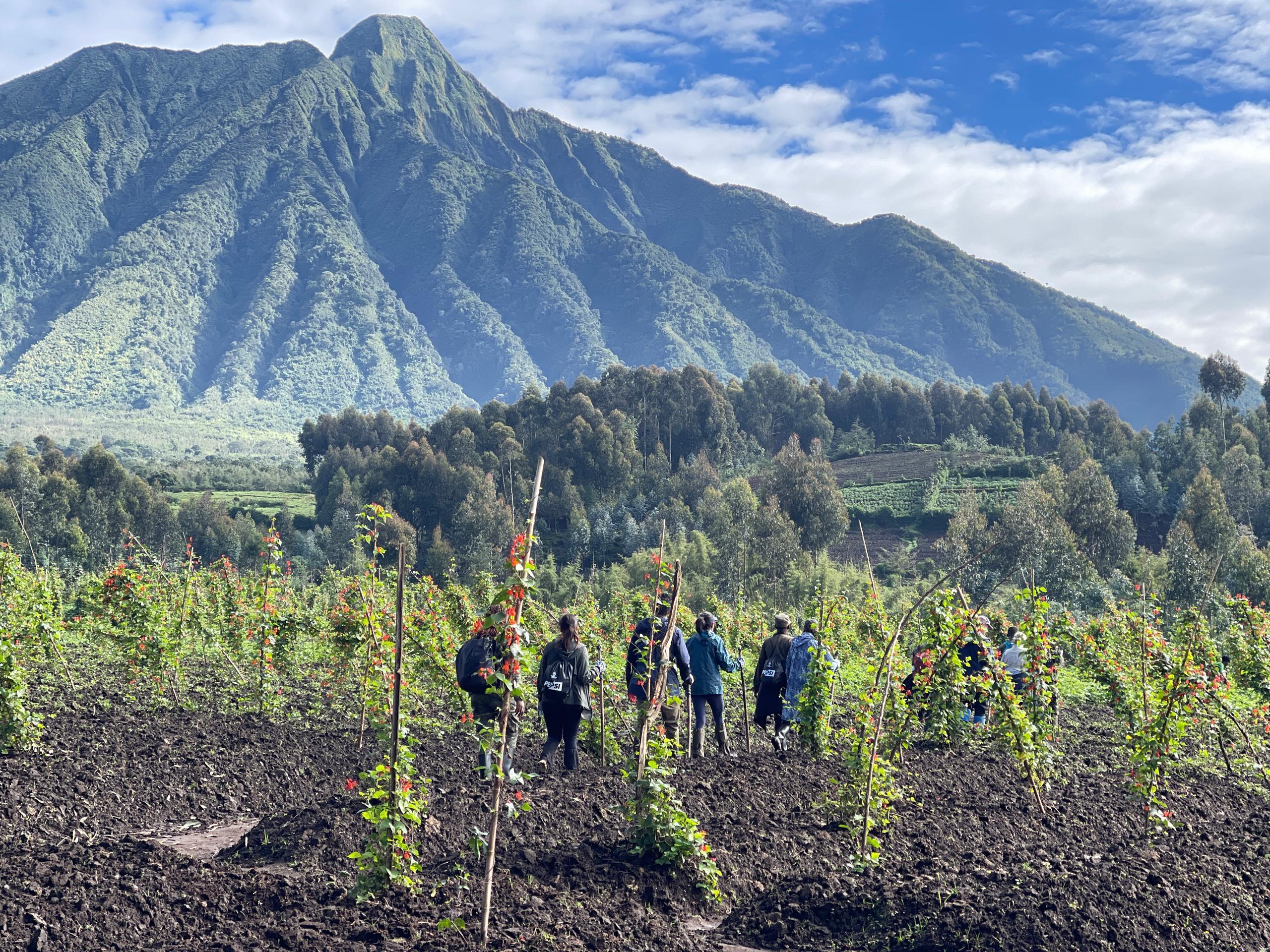
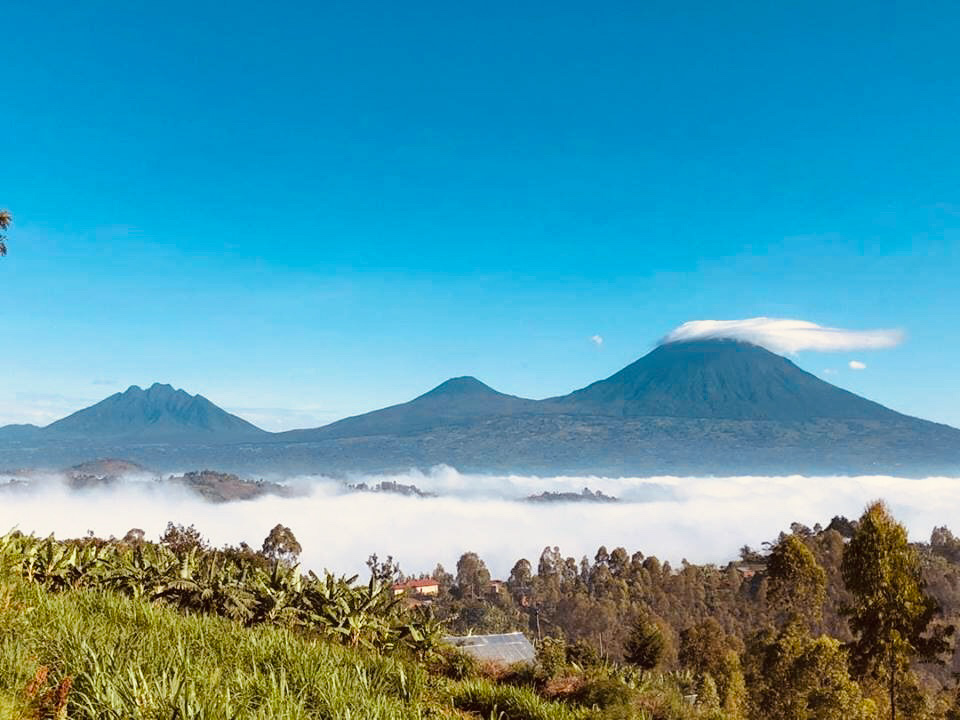
Conservation in the Virunga Massif
A Century of Sacrifice, a Future of Possibility
As we mark 100 years of conservation in the Virunga Massif, we also reflect on the costs: lives lost, families affected, and the long nights spent in cold forest stations with only the sound of gorilla calls echoing nearby.
But through that sacrifice has come progress. Gorillas once counted in the hundreds are now increasing slowly. Communities once skeptical of conservation now see its benefits. And rangers, once under-resourced and under-recognized, are now honored as heroes in green.
This World Ranger Day, let us not only remember let us recommit. Support their work, share their stories, walk with them when you travel, and keep their mission alive through action.
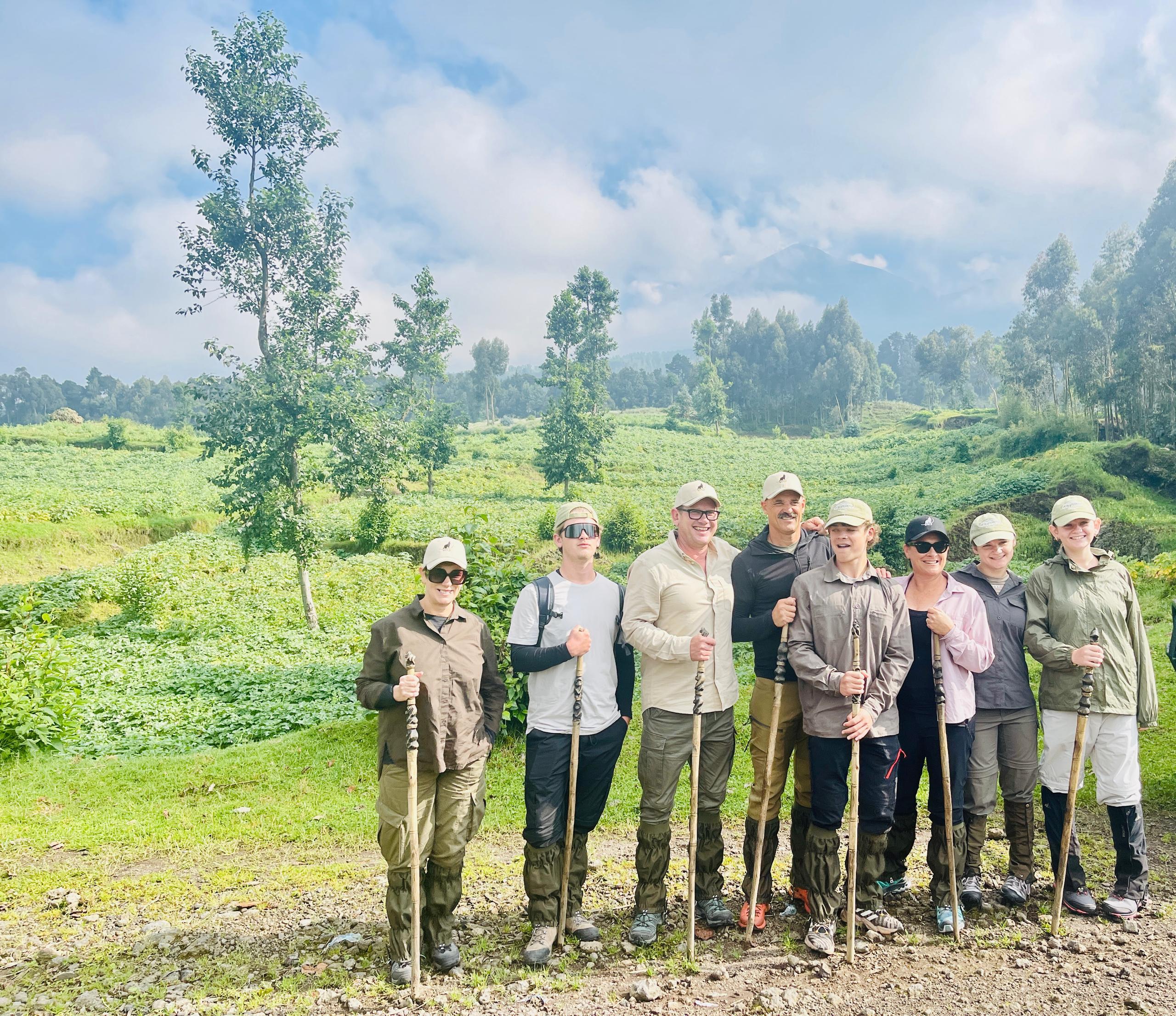
Join the Conversation
Be the first to comment!
Leave a Reply